Different Types of Sensors: A Comprehensive Guide to Sensor Technology
Different Types of Sensors: A Comprehensive Guide to Sensor Technology
Admit it, a world without sensors would be much more blind to what goes on around it. By turning off the screen when you get a call and knowing when your car needs attention, sensors work quietly behind the scenes as if it were all magic. It’s not supernatural, but science behind it. Today, we’re looking at the interesting world of sensor technology.
No matter if you’re curious about how your fitness tracker functions, if you’re becoming an engineer or if you’re just discovering why it’s important to work out all your muscles, this guide is helpful for you.
What Are Sensors and How Do They Work?
Sensors are devices that detect and respond to changes in their environment. Think of them as high-tech noses, eyes, ears, and hands, constantly sniffing, watching, and listening to the world.
Here’s a simple formula for how sensors work:
Stimulus (light, heat, pressure, etc.) → Sensor detects it → Converts to electrical signal → Output (data or action)
That’s it! Pretty neat, huh?
Different Types of sensors react to different kinds of and that’s where things get juicy.
Different Types of Sensors
1. Temperature Sensors
What they do:
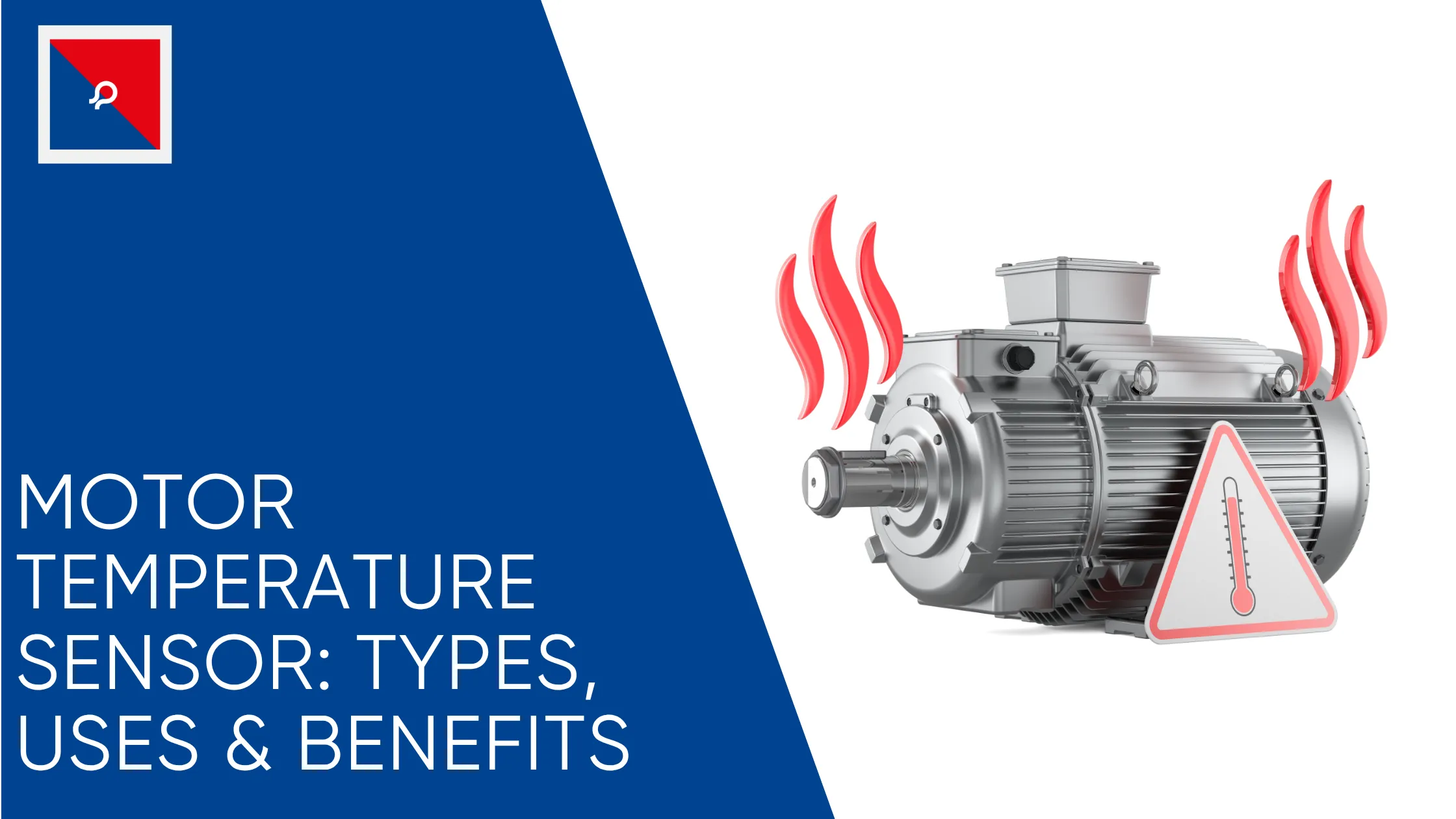
Measure heat. Whether it’s your oven or the weather app, temperature sensors help you avoid both frozen toes and burnt cookies.
Applications:
- Thermostats in homes and offices
- Engine monitoring in cars
- Medical devices (like digital thermometers)
- Weather stations
How they work: Most temperature sensors use thermocouples or thermistors that change resistance with temperature. The sensor converts this change into readable data, like "It’s 37°C. Stay indoors."
2. Proximity Sensors
What they do:
Detect how close something is without physical contact. It’s like a polite version of “Don’t touch me.”
Applications:
- Parking sensors in cars
- Touchless faucets
- Smartphones (screen turns off during calls)
- Industrial automation
How they work: They emit electromagnetic fields or light (infrared, for example) and measure the reflection to detect distance. No touching required!
3. Accelerometers
What they do:
Measure acceleration and movement. If your phone rotates the screen when you turn it sideways, thank the accelerometer.
Applications:
- Fitness trackers
- Game controllers
- Smartphones
- Vehicle airbags
How they work: They detect changes in velocity and orientation, converting mechanical motion into electrical signals.
4. Light Sensors
What they do:
Detecting light intensity. Great for saving battery and avoiding retina burns.
Applications:
- Smartphones (auto-brightness feature)
- Solar garden lights
- Cameras (exposure adjustment)
How they work: Light sensors use photodiodes or phototransistors that generate current based on the amount of light they receive.
5. Infrared (IR) Sensors
What they do:
Sense infrared radiation (basically, heat). You’ve probably seen them in remote controls, but they’re sneakily everywhere.
Applications:
- Remote controls
- Security systems
- Night-vision equipment
- Industrial heat monitoring
How they work: IR sensors emit or detect infrared radiation, which is invisible to the human eye but can detect heat signatures. Perfect for superhero-level spy gear.
6. Ultrasonic Sensors
What they do:
Use sound waves to detect distance. No bats involved.
Applications:
- Distance measuring tools
- Automatic doors
- Obstacle detection in robotics
- Fish finders (yes, really!)
How they work: Ultrasonic sensors send out high-frequency sound waves and measure how long it takes for them to bounce back. It’s sonar but smarter.
7. Pressure Sensors
What they do:
Sense force or pressure applied. Like when your coffee machine needs to know how much water to pump.
Applications:
- Weather forecasting (barometers)
- Car tire pressure monitoring
- Industrial control systems
- Medical devices like ventilators
How they work: These sensors measure the force exerted on them and convert it into an electrical signal. Handy when you’re under pressure, literally.
8. Gas Sensors
What they do:
Detecting gas leaks or measuring gas levels. They won’t save you from garlic breath, but they’ll keep you safe from carbon monoxide.
Applications:
- Air quality monitors
- Industrial safety
- Kitchens (LPG leak detection)
- HVAC systems
How they work: Gas sensors change resistance in the presence of certain gases. The concentration level is then calculated and outputted.
9. Humidity Sensors
What they do:
Measure moisture levels in the air. A must-have if you want perfect hair or to prevent mould.
Applications:
- Weather monitoring
- Greenhouses
- HVAC systems
- Smart homes
How they work: They detect electrical changes caused by moisture in the air. Some even come with built-in temperature sensors for a two-in-one deal.
10. Magnetic Sensors (Hall Effect Sensors)
What they do:
Detecting magnetic fields. No, they don’t find lost fridge magnets, but they come close.
Applications:
- Speedometers
- Anti-lock braking systems
- Magnetic card readers
- Smartphones (compass feature)
How they work: They use the Hall effect to measure changes in magnetic field strength, converting this into readable output.
11. Image Sensors
What they do:
Convert visual information (light) into digital data, making cameras and visual recognition possible.
Applications:
- Digital cameras and smartphones
- Medical imaging
- Surveillance
- Augmented reality devices
How they work: Image sensors (like CCD or CMOS) capture light photons and turn them into electrical signals to form an image.
Real Talk: Why Should You Care?
- You use sensors every day, whether you realise it or not.
- Does your car beep when you back up? That’s a sensor.
- Does your screen dim when you go into a dark room? Sensor again.
- Your smartwatch tracks your steps while judging your snack choices? Yup, sensors.
Knowing how sensors work and their applications isn’t just for engineers; it’s for anyone living in the modern world. It helps you make smarter choices, troubleshoot tech, and maybe even build your next great gadget.
JR Sensors: Precision Technology for Smarter, Safer Systems
JR Sensors is a recognised leader when it comes to precision sensing technology. With advanced solutions, JR Sensors produces many types of sensors used across the aerospace, defence and industrial fields. The sensors in them are designed to cope with tough conditions, which guarantees excellent accuracy and reliability. Pressure, temperature, motion, and position sensors are all made tough by JR Sensors, using the latest technology. Thanks to JR Sensors, industries can monitor key systems, improve automation and make smarter, safer and more efficient choices every single day.
Wrapping It Up
That’s it for now, learning about the main types of sensors and where they are used. From finding heat to uncovering hidden gas leaks, from using less energy to saving people, sensors deserve more attention as heroes of modern life.
Knowing the work of sensors, you might now appreciate your daily gadgets more. Still, they’re putting in more mental effort than we usually notice.
Sensors are everywhere. They're tiny, smart, and often unnoticed like the introverts of the tech world. But trust us, without them, the world would be a chaotic, unresponsive mess. And no one wants that.