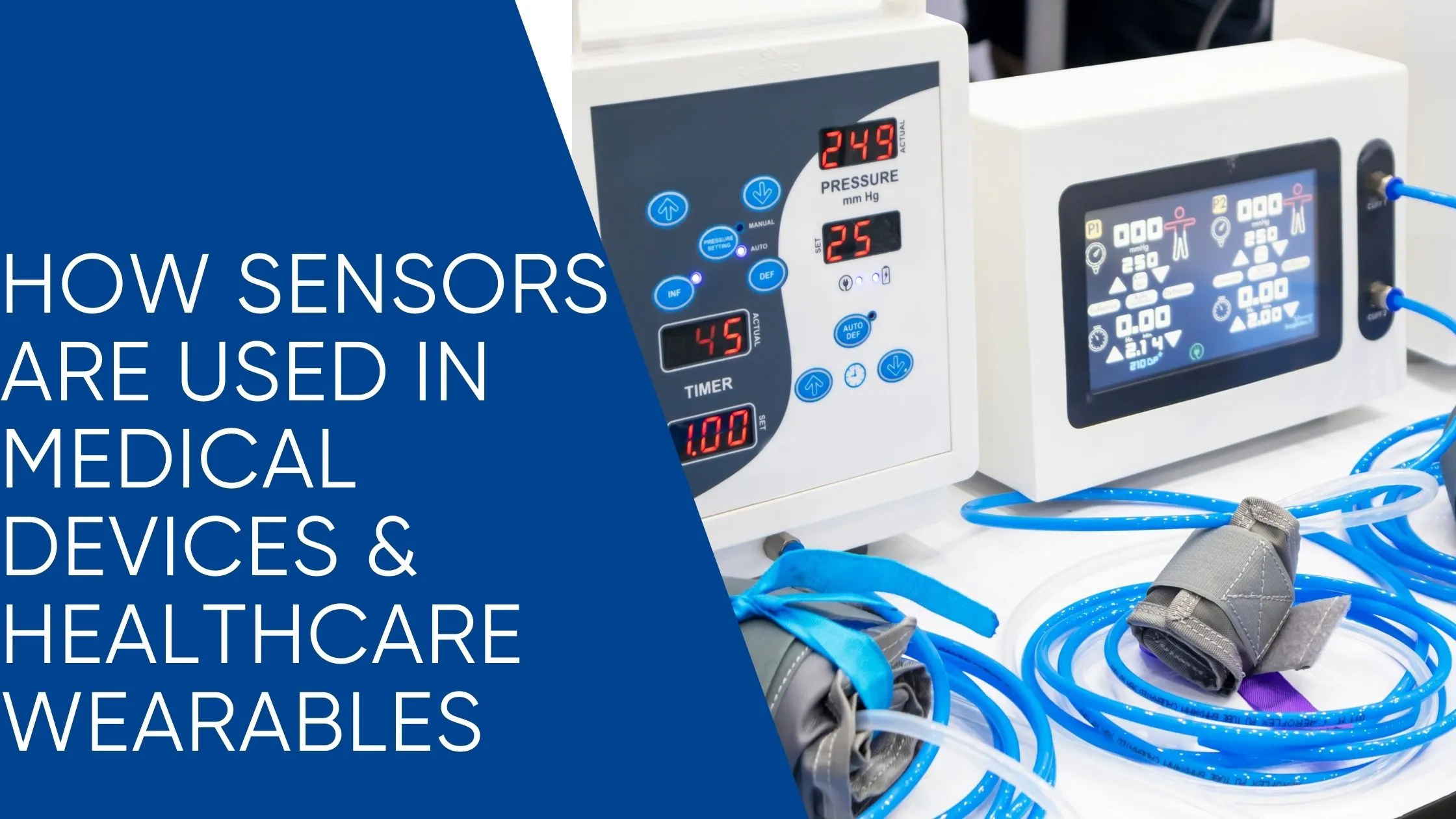
If you think sensors in healthcare are just counting steps or heartbeats, nah… that’s already old news. In 2026, sensors for medical devices are quietly sitting at the centre of healthcare, watching, predicting, alerting, sometimes even saving lives before a doctor steps in. And most of the time, we don’t even feel them doing their job.
At a basic level, medical sensors translate what the human body is doing. Heat, pressure, movement, chemical changes into data machines can understand. But in reality? They’re changing how healthcare works, from hospitals to homes, from ICUs to smartwatches.
Let’s break this down.
Why Sensors Matter So Much in Modern Healthcare
Healthcare has shifted. Earlier, it was reactive, you feel sick, you go to the doctor. Now it’s proactive. With sensors for health, the body is monitored continuously, patterns are tracked, and warnings come early.
This is exactly why medical device sensors are everywhere today:
- They reduce hospital visits
- They improve diagnosis accuracy
- They support long-term care
- And they give doctors real-time insights, not guesswork
That’s the real power of sensors for medical applications. Data that doesn’t sleep.
Sensors in Healthcare Wearables: 24/7 Monitoring Without Effort
Wearables are where most people first interact with health monitoring sensors. Smartwatches, rings, patches all packed with sensors, quietly working in the background.
1. Optical Sensors (PPG)
These are everywhere now. Using light, they measure blood flow to track:
- Heart rate
- Heart rate variability (HRV)
- Blood oxygen (SpO₂)
Most smartwatches rely on this type of medical sensor. It’s non-invasive, reliable, and perfect for continuous tracking.
2. Electrodermal Activity (EDA) Sensors
These measure tiny changes in skin conductance caused by sweat. Sounds odd, but it’s powerful. EDA sensors help detect:
- Stress levels
- Emotional arousal
- Early fatigue patterns
This is a growing area in sensors for health, especially mental health monitoring.
3. Bio-Impedance Sensors
A small, harmless current is passed through the body to measure:
- Body composition
- Hydration levels
- Breathing patterns
These sensors for medical devices are now used in smart scales, wearables, and even sleep monitoring systems.
4. Continuous Glucose Monitors (CGMs)
One of the biggest breakthroughs. CGMs measure glucose continuously without finger pricks. For diabetics, this is life-changing.
This is where medical device sensors truly shine. Real-time, accurate, and patient-friendly.
Sensors in Clinical & Diagnostic Medical Devices
Hospitals depend heavily on sensors for medical applications where accuracy is non-negotiable.
1. Pressure Sensors
Used in:
- Ventilators
- Blood pressure monitors
- Respiratory support systems
MEMS-based pressure sensors are compact, stable, and highly reliable.
2. Temperature Sensors
Infrared thermopiles and contact-based sensors measure:
- Core body temperature
- Surface temperature
- Fever trends
These medical sensors are critical for diagnostics and infection control.
3. Electrochemical Sensors
Used in blood analyzers to measure:
- Electrolytes (Na⁺, K⁺)
- pH levels
- Metabolic markers
Fast, precise, and essential for emergency care.
4. Image Sensors
CMOS image sensors power:
- Endoscopy
- Laparoscopy
- Diagnostic imaging
Without them, minimally invasive procedures wouldn’t exist.
Sensors in Surgical Robotics & Implants
This is where things get seriously advanced.
1. Force & Haptic Sensors
Robotic surgeries rely on force sensors to give surgeons “touch feedback”. Without this, precision surgery would be risky.
These sensors for medical devices help prevent tissue damage and improve surgical accuracy.
2. Piezoelectric Sensors
Used in pacemakers and implants, they detect motion and vibrations to adjust device behaviour automatically.
3. MEMS Accelerometers
Used for neurological monitoring especially in Parkinson’s and movement disorders. These health monitoring sensors record tremors continuously, helping doctors fine-tune treatment.
Key Sensor Trends in Healthcare (2026 & Beyond)
1. Sensors Are Becoming Invisible
Ultra-thin, flexible sensors now feel like skin patches. No wires, no discomfort. This is the future of sensors for health.
2. Edge AI + Sensors
Instead of sending all data to the cloud, sensors now process information locally. Faster alerts, better privacy, smarter devices.
3. Sweat-Based Biosensors
New medical sensors can analyse sweat for:
- Cortisol (stress)
- Lactate (fatigue)
- Hydration markers
This opens doors for non-invasive diagnostics.
Why Sensor Quality Matters (This Is Important)
In healthcare, a sensor failure isn’t just a bug, it’s a risk. That’s why manufacturers must focus on:
- Accuracy
- Stability over time
- Medical-grade materials
- Regulatory compliance
This is where JR Sensors come in. With deep expertise in sensors for medical devices, JR Sensors focuses on reliability, consistency, and performance. The things that matter most in real-world medical applications.
From clinical equipment to wearable health devices, well-designed medical device sensors make all the difference between “data” and “decision”.
Final Thoughts
Healthcare today runs on data and data runs on sensors.
Whether it’s a smartwatch tracking stress, a ventilator supporting breathing, or a surgical robot performing millimetre-precise movements, sensors for medical applications are doing the heavy lifting quietly and constantly.
As medical sensors become smaller, smarter, and more integrated, healthcare will continue shifting from treatment to prevention and that’s where the real impact lies.
And honestly? We’re just getting started.