For a long time, I thought my fitness tracker was just a glorified pedometer that reminded me how lazy I was being on Sundays. But then, a close friend of mine got a notification on her watch while she was just sitting on the couch. It told her her heart rate was spiking for no reason. Long story short, she headed to the ER, and it turned out to be a minor cardiac event she wouldn't have noticed otherwise.
That’s when it clicked for me. These aren't just gadgets; they are high-tech medical sensor devices wrapped in silicone and glass.
In the world of wearable sensors for health monitoring, we’ve moved way past just counting steps. We are now talking about devices that can "taste" your sweat to check your electrolytes or "feel" the pressure on your feet to predict a fall. At JR Sensors, we’re fascinated by how these tiny components are turning our bodies into data-driven powerhouses.
What Are Wearable Health Sensors?
At their core, wearable health sensors are tiny analytical platforms. They take a physical signal, like the heat of your skin or the electrical pulse of your heart, and turn it into a digital number your phone can understand.
Unlike a bulky sensor for medical application you’d find in a hospital, these are designed to be "invisible." They live in your watch, your ring, your glasses, and even your clothes. The goal is continuous monitoring. Instead of getting a snapshot of your health once a year at the doctor, you get a 24/7 "movie" of what’s happening inside you.
Types of Wearable Medical Devices
If you’re looking into this tech, you’ll realize there are several types of wearable medical devices hitting the market in 2026. It’s not just watches anymore!
- Smart Jewelry: Rings that track sleep and recovery without the bulk of a watch.
- Smart Clothing: Shirts with embedded health monitoring sensors that track muscle activity and respiratory rates.
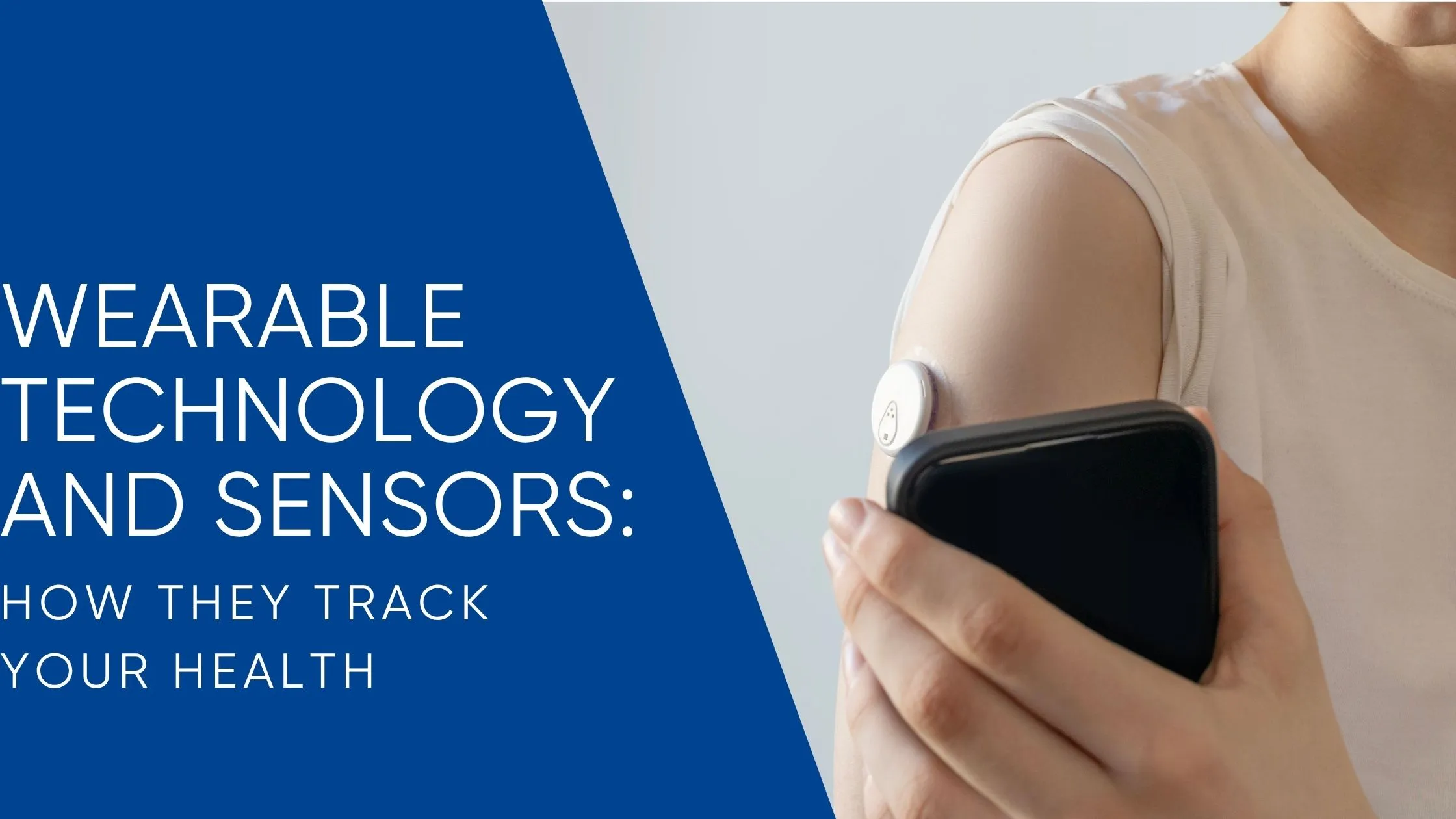
- Skin Patches (Epidermal): Tiny, flexible stickers that monitor glucose levels or hydration through your sweat.
- Smart Hearables: Earbuds that measure core body temperature and heart rate with insane accuracy.
- Clip-on Devices: Often used for gait analysis or fall detection in the elderly.
- Smart Contacts: Believe it or not, we’re seeing lenses that can monitor glucose in tears!
How These Sensors Actually Track Your Health
How does a piece of plastic know you're stressed or dehydrated? It comes down to two main categories of health monitoring sensors:
Biochemical Sensors
These are the "chemists." They analyze biofluids like sweat, saliva, and tears. By looking at the chemicals, they can tell if you’re losing too much sodium (cramp prevention) or if your glucose is spiking. This is the ultimate sensor for medical application for people managing chronic conditions like diabetes.
Physical Sensors
These are the "engineers." They use:
- Accelerometers & Gyroscopes: To track movement and detect if you’ve taken a hard fall.
- Optical Sensors: To shine a light through your skin and "see" your blood flow (this is how they get your heart rate).
- Pressure Sensors: Often found in smart insoles to check your posture and balance.
Consumer Wearables vs. Clinical Sensors
| Feature | Consumer Wearables (Watches/Rings) | Clinical Medical Sensor Devices |
| Primary Use | Fitness & General Wellness | Disease Management / Diagnosis |
| Accuracy | Good (Variable) | Extremely High (Validated) |
| Data Access | User-friendly App | Secure Physician Dashboard |
| Battery Life | 1–10 Days | Often Short-term / Disposable |
Why You Should Care About Wearable Sensors for Health Monitoring
If you’re on the fence about getting a wearable, here is how they actually change your life:
- Heart Health: Some wearable health sensors can detect Atrial Fibrillation (Afib) or track your blood pressure without a cuff.
- Workout Recovery: They don't just tell you to work out; they tell you when to stop. By monitoring "heart rate variability," they know if your body is recovered or overtrained.
- Fall Prevention: For older adults, these sensors are literal lifesavers. By monitoring pressure distribution on the feet, they can tell if someone’s gait is becoming unstable before a fall actually happens.
- Healthy Eating: New AI-driven sensors are being studied that can "hear" you chew to help manage obesity and eating habits.
What to Watch Out For
I wouldn’t be doing my job if I didn't mention the downsides. Not all medical sensor devices are created equal.
- Accuracy: A watch might say you burned 500 calories, but it could be 20% off. Use the data as a trend, not an absolute truth.
- Privacy: Your health data is gold. Always check how the company is sharing (or selling) your heart rate and sleep patterns.
- Mental Health: Obsessing over the "perfect score" on your sleep or stress app can actually cause more stress. (we've all been there, staring at the sleep score at 2 AM).
The Future of Sensors in Medical Applications
As we head deeper into 2026, the trend is "multimodal." We’re seeing a single sensor for medical application that can track your heart rate, your sweat composition, and your skin temperature all at once. Combine that with AI, and your wearable won't just tell you that you're sick, it’ll tell you that you're going to be sick two days before you feel a single symptom.
Final Thoughts from JR Sensors
The world of wearable sensors for health monitoring is moving fast. Whether you’re an athlete trying to shave a second off your run or someone just trying to keep their blood pressure in check, these devices offer a level of insight we’ve never had before.
At JR Sensors, we believe that the best sensor is the one you actually use. It doesn't have to be the most expensive medical sensor device on the market; it just has to give you the data you need to make better choices every day.