Temperature Sensor vs Thermostat: Key Differences, Working & Applications
Temperature Sensor vs Thermostat: Key Differences, Working & Applications
Ever found yourself wondering why your machinery needs both a temperature sensor and thermostat to function properly? Honestly, a lot of people mix them up, thinking they do the same job.
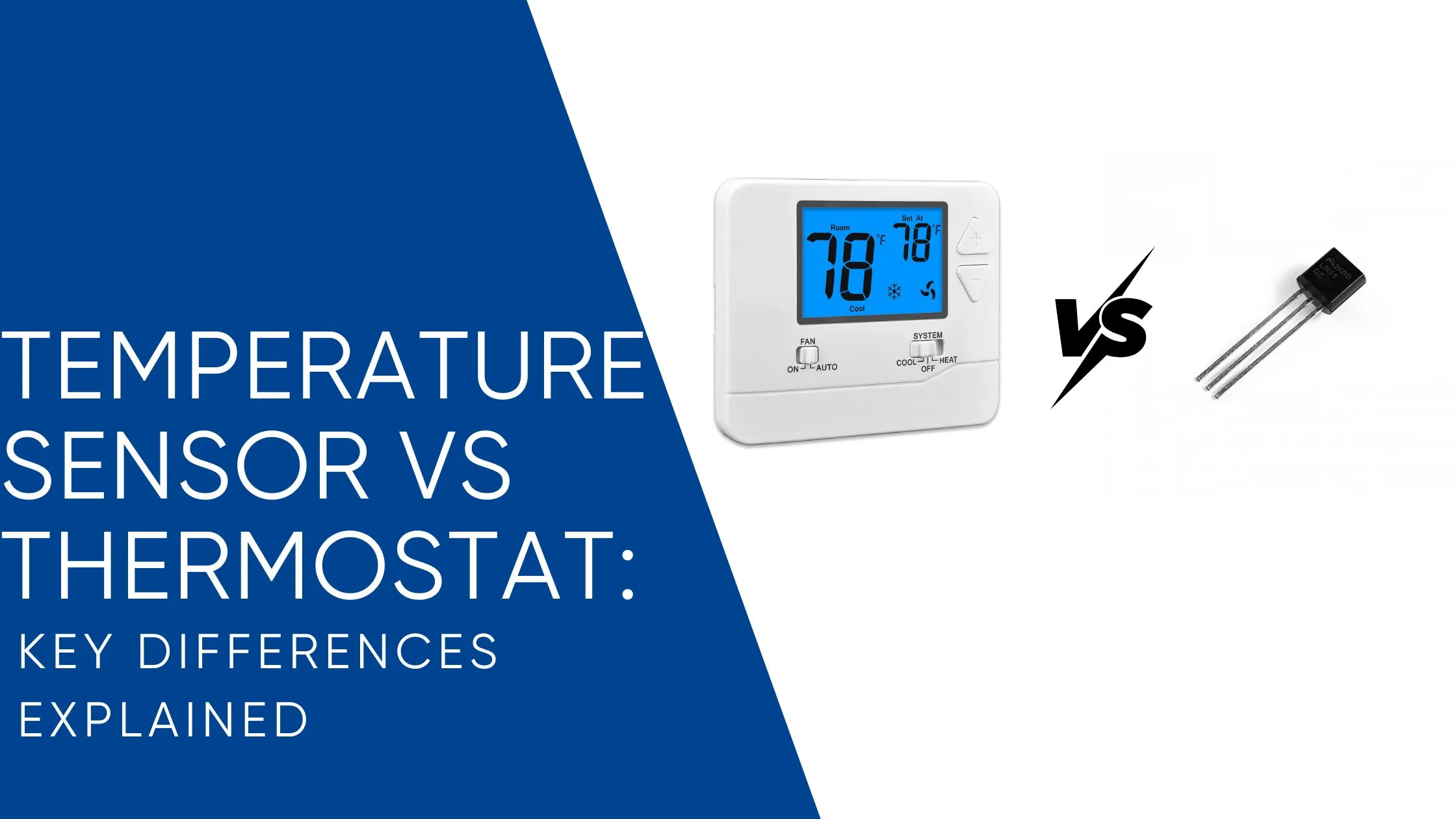
But when we talk about temp sensor vs thermostat, the difference is pretty clear once you look closer. A thermostat temperature sensor isn’t just a fancy term it actually controls heat, while a thermistor vs thermostat debate comes down to monitoring versus regulating. In this guide, I’ll break it all down, so you’ll know exactly how these parts keep your equipment running smoothly.
What Is a Temperature Sensor? Working Principle & Uses
A temperature sensor is basically your machine’s little watchdog for heat. It keeps an eye on the engine, motor, or any critical component, constantly checking the temperature.
In heavy machinery, the most common type is the engine temperature sensor, often a thermistor. It measures heat and sends real-time info to the control unit, helping the system decide what to do next. So when we compare temp sensor vs thermostat, this sensor is all about reporting, not controlling. Without it, the engine could overheat, performance drops, and repairs get expensive, simple as that.
What Is a Thermostat? Function, Role & Importance
Alright, now let’s talk about the thermostat. Unlike the temperature sensor that just monitors and reports, the thermostat actually takes action. It controls the flow of coolant in the engine to keep the temperature just right. Not too hot, not too cold.
When the engine heats up, the thermostat opens to let coolant circulate, cooling things down. When it’s cool, it closes to maintain warmth. So if we look at thermistor vs thermostat, the sensor gives the data, and the thermostat makes the move. Together, they keep your machinery running smoothly, preventing wear, fuel inefficiency, and potential damage.
Temperature Sensor vs Thermostat: Major Differences Explained
Okay, so now that we’ve got a handle on what each does, let’s break down the differences between a temp sensor and thermostat in simple terms.
- Function: A temperature sensor just measures and reports the engine heat, while a thermostat actually controls it by managing coolant flow.
- Mechanism: Sensors detect temperature changes and send data to the control unit. Thermostats physically open or close to adjust the flow.
- Purpose: Sensors keep you informed, thermostats take action. One watches, the other acts.
See? Pretty straightforward once you think of it like “eyes vs hands” in your engine.
How to Choose Between a Temperature Sensor and a Thermostat for Your Application
Alright, so now that we know how a temperature sensor and thermostat differ, the next big question is: which one does your machine really need? Let me tell you:
- Monitoring Needs: If your machine needs constant temperature updates, go for a good temperature sensor, especially an engine temperature sensor.
- Temperature Control: If it’s about actively managing heat to avoid overheating, the thermostat temperature sensor is your best bet.
- Operating Conditions: In rough environments with sudden temperature spikes, sometimes you actually need both to keep things smooth.
It’s all about matching your machine’s real-world needs. Investing a bit more upfront can save a ton of headaches later.
Temperature Sensor vs Thermostat: Final Comparison & Verdict
So, to wrap it up, the thermistor vs thermostat debate isn’t really a competition. They each have their own critical role. A temperature sensor and thermostat work hand in hand: one keeps an eye on the heat, the other steps in to control it.
Understanding the difference and choosing the right setup for your machine ensures better performance, longer engine life, and fewer surprises down the road. When it comes to keeping your equipment safe and efficient, knowing temp sensor vs thermostat is honestly half the battle won.