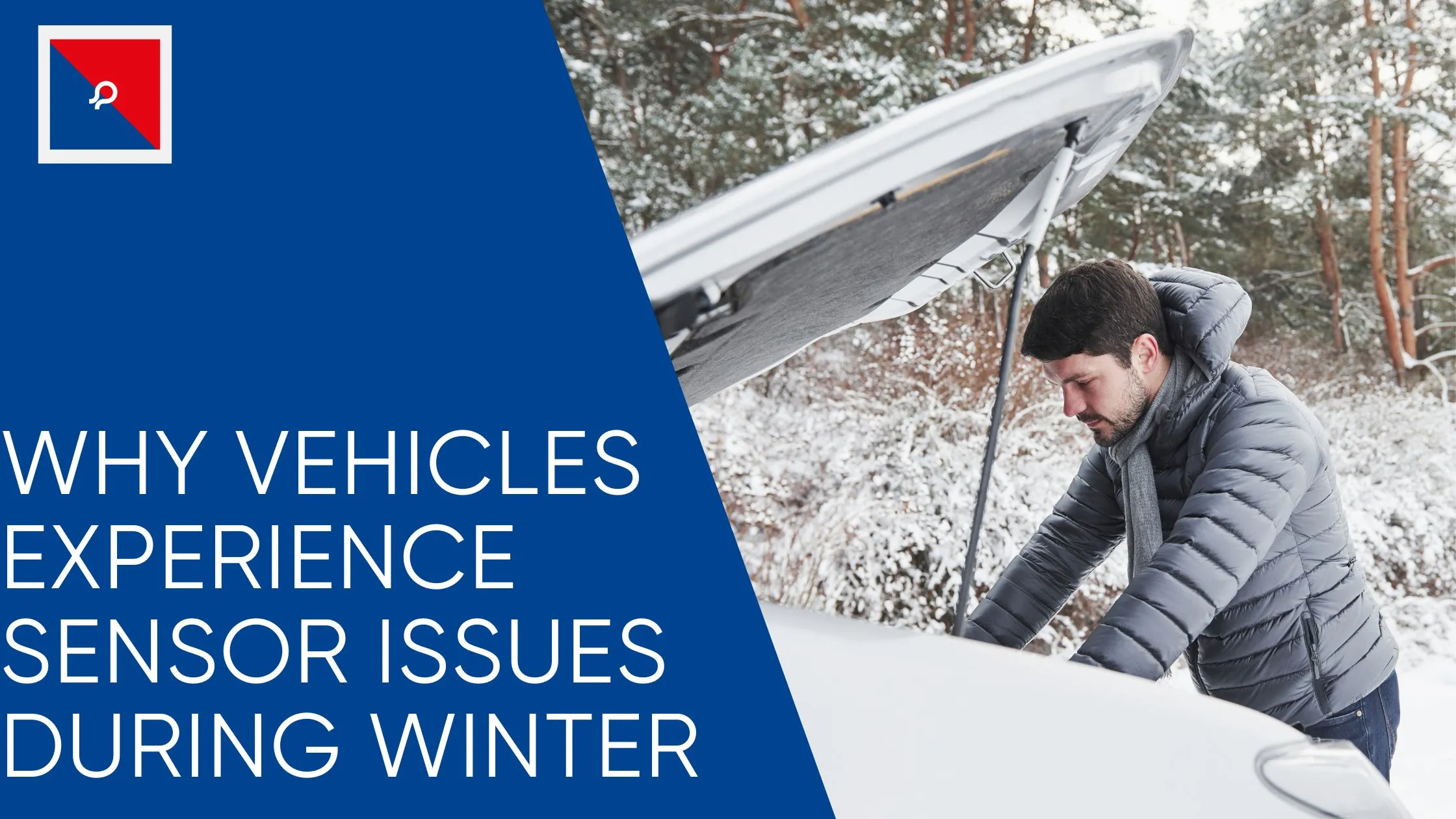
I’ll never forget a drive I took through a massive snowstorm last year. Halfway through, my dashboard lit up like a Christmas tree. "Lane Assist Unavailable," "Collision Warning Disabled," "Check Engine." I panicked for a second, thinking my car was dying, only to realize the front bumper was just caked in three inches of wet, frozen slush.
It’s a question I get asked a lot at JR Sensor: can cold weather affect car sensors? The short answer is a big, shivering yes. Modern cars are basically computers on wheels, and just like your smartphone screen might lag when you're outside in the freezing cold, your vehicle’s nervous system struggles too.
Let’s break down why winter is such a bully to your car’s tech and what you can do about it.
Is the Cold Actually "Bad" for Electronics?
We often think of heat as the main enemy of tech, but is the cold bad for electronics? Absolutely. When temperatures plummet, the physical materials inside your car change.
- Brittleness: Copper wiring, plastic housings, and even the solder joints on circuit boards become brittle.
- Contraction: Metal shrinks when it’s cold. This can cause connectors to pull apart just enough to lose a stable connection.
- Resistance: Cold air increases electrical resistance. This means your alternator has to work overtime to push the same amount of power through the wires.
If you’ve ever wondered does the cold ruin electronics, it usually doesn’t "kill" them permanently, but it creates a "voltage drop" that makes the sensors report garbage data to the car's main computer.
Where Exactly Are These Sensors Hiding?
If you’re trying to troubleshoot a warning light, you first need to know where are the sensors for cold weather impact. Usually, they are in the "line of fire" for snow and ice:
| Sensor Type | Location | Common Winter Issue |
| Parking Sensors | Front & Rear Bumpers | Blocked by slush, causing false "obstacle" beeps. |
| Radar/Lidar | Behind the Grille or Emblem | Ice buildup disables Adaptive Cruise Control. |
| ADAS Cameras | Top of Windshield / Mirrors | Fog or frost clouds the "vision" for Lane Keeping. |
| ABS/Wheel Speed | Behind the Wheels | Snow packing into the wheel well disrupts the signal. |
Bad Temperature Sensors
One of the most critical parts is the coolant temperature sensor. People ask, what happens if you drive with a bad temperature sensor in winter? Well, your car’s computer (ECU) uses that data to decide how much fuel to spray.
If the sensor is "lying" because of the cold or a malfunction, the ECU might not enrich the air-fuel mixture enough for a cold start. You’ll end up with a car that stalls, shudders, or gets terrible gas mileage because it thinks the engine is warmer than it actually is. It’s one of those tiny parts that causes a massive headache.
Effects of Cold Weather on Electric Cars (EVs)
If you drive a Tesla or an Ioniq, the stakes are even higher. The effects of cold weather on electric cars aren't just about range; they're about the "chemistry" of the battery.
Chemical reactions inside a battery slow down in the cold. This leads to slower charging speeds and a lack of voltage for those sensitive ADAS (Advanced Driver Assistance Systems). If the voltage drops too low because the battery is struggling with the cold, your safety sensors might just give up and shut down entirely to save power for the motor.
Why a "Small" Winter Bump is a Big Deal
In the winter, minor fender benders are common. You slide into a snowbank at 5 mph—no big deal, right? Wrong.
Even a tiny tap can knock a radar sensor out of alignment by just a fraction of a degree. Because these systems look hundreds of feet ahead, a 1-degree misalignment means the sensor is looking at the wrong lane by the time it reaches the car in front of you.
Plus, does the cold ruin electronics that are already cracked? Yes. If a sensor housing has a tiny hairline fracture from a bump, moisture gets in, freezes, expands, and snaps the internal circuits. Always get a recalibration after any winter "oopsie."
Pro Tips to Keep Your Tech Alive
You don't need a PhD in engineering to keep your sensors happy this winter. Here’s my personal checklist:
- The "Gently" Wipe: Use a soft cloth to clear your bumpers and cameras. Don't use a heavy ice scraper on the plastic sensors—you’ll scratch the lens and ruin the "vision."
- Windshield Care: Make sure your defroster is clear before engaging Lane Assist. If the camera behind your rearview mirror is foggy, the car is driving blind.
- Garage It: If you can, park inside. It prevents the "thermal shock" of the electronics warming up and cooling down rapidly.
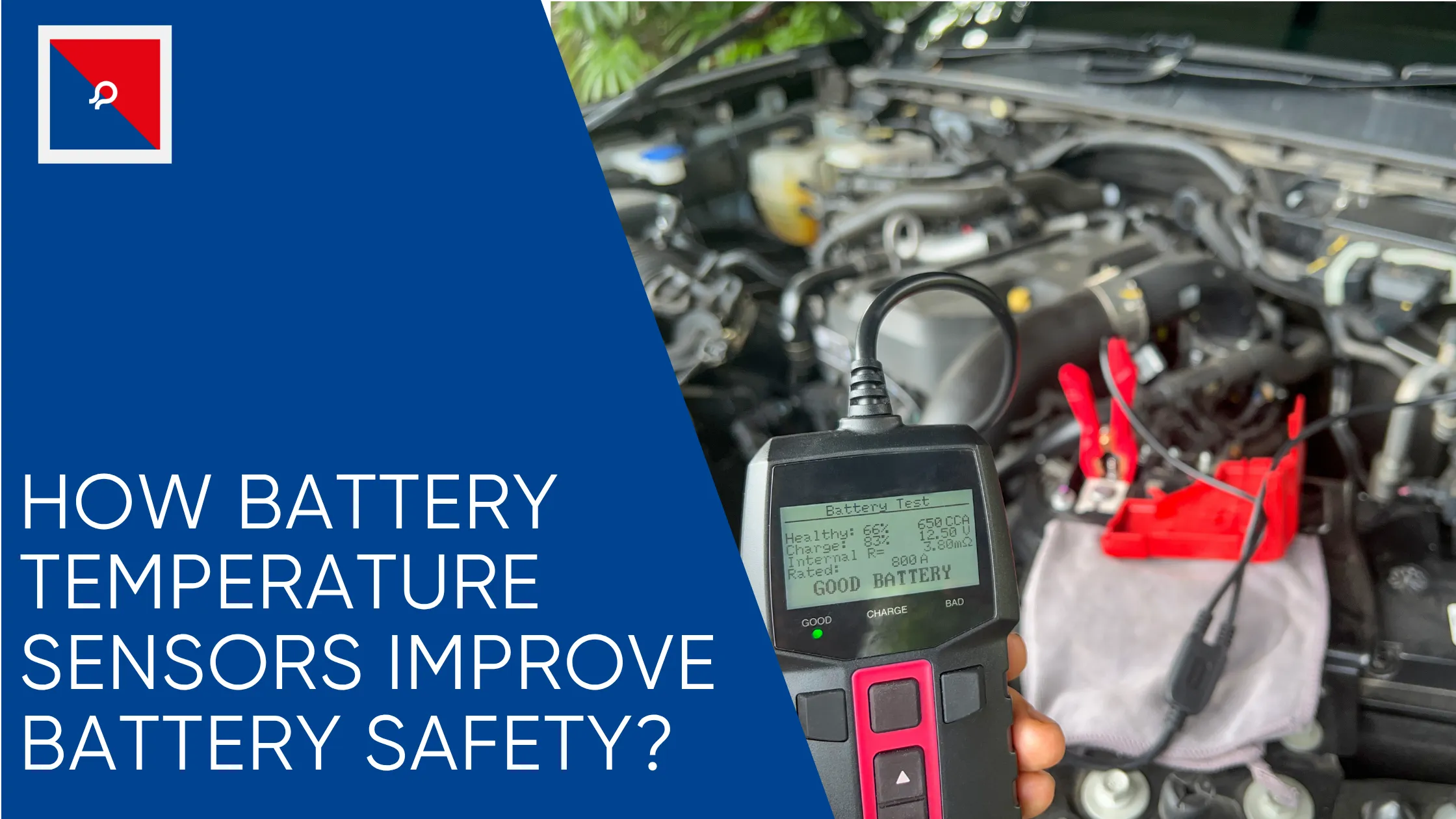
- Check Your Battery: Since is the cold bad for electronics through voltage drops, a healthy battery is the best defense for your sensors.
Don't Let the Cold Catch You Off Guard
Winter driving is stressful enough without your car beep-beep-beeping at ghosts. Understanding how can cold weather affect car sensors helps you stay calm when a warning light pops up. Usually, it's just a bit of ice or a thirsty battery.
Stay safe out there, keep those sensors clear, and remember—your car's tech is only as good as the data it can "see" through the snow!