What is a Pressure Sensor? How Tire Pressure Sensors Work & Installation Guide
What is a Pressure Sensor? How Tire Pressure Sensors Work & Installation Guide
Ever noticed that little warning light on your dashboard and wondered, “What’s actually happening with my tyres?” Or thought about how machines somehow know when pressure is off in tanks, pipes, or even in your car tyres? Well, that’s all thanks to pressure sensors.
A pressure sensor, simply put, is a device that feels pressure and tells us exactly what’s going on. Whether it’s air in your tyres or fluid in industrial equipment. And when it comes to your car, the tire pressure monitoring system, or TPMS, uses air pressure sensors to make sure you’re driving safe and smooth. If you’ve ever wondered how tire pressure sensors work, or need tips on how to install a tire pressure sensor, you’re in the right place. Let’s break it all down.
Also read: Top Applications of Temperature Sensors in Household Appliances
How Do Pressure Sensors Work? (Working Principle Explained)

Pressure sensors aren’t magic, but they kind of feel like it when you see them in action. Basically, they detect pressure changes and turn them into electrical signals that we can read.
Most sensors use a little thing called a strain gauge. Basically a tiny spring or metal piece that stretches or squeezes when pressure changes. That stretch changes the electrical resistance, and voila, your car knows your tyre is low, or your machine knows a pipe is over-pressurized. Some sensors even use piezoelectric effects, where certain materials generate electricity when they’re compressed.
For cars specifically, the TPMS sends this info straight to your dashboard. That’s why, when your tyre is losing air, you don’t have to guess, it just tells you. And the best part? Modern systems are smart enough to give real-time readings without you lifting a finger.
Different Types of Pressure Sensors and Their Applications
Okay, so not all pressure sensors are the same, and it helps to know the basics if you ever wonder how tire pressure sensors work or just want to geek out a little.
- Strain Gauge Sensors – These are the most common. They literally stretch or compress when pressure changes, turning that tiny movement into an electrical signal. Super reliable for cars and industrial machines.
- Piezoelectric Sensors – Fancy name, simple idea. Some materials generate electricity when pressed. So when pressure changes, they “create” a signal. Fast and great for dynamic measurements.
- Capacitive Sensors – These measure changes in capacitance (basically how much charge a device can hold) when pressure squishes or moves a part of the sensor. Cool for engines or jet systems.
Now, when we talk TPMS in cars, there are two main types:
- Direct TPMS – Sensors are actually inside each tyre. They tell you the exact pressure of every tyre in real-time. Super accurate, but can be a bit pricier.
- Indirect TPMS – These don’t measure air pressure directly. Instead, they watch wheel speeds through the ABS system. If a tyre rotates faster than it should, it assumes the pressure is low. Cheaper, but sometimes not as precise.
So yeah, whether it’s a fancy car, a factory machine, or even a pressure tank, these sensors are quietly doing their job, keeping everything safe and working properly. And honestly, it’s kind of amazing how such small devices can make such a big difference.
Applications of Pressure Sensors in Cars, Industries, and More
Alright, pressure sensors aren’t just some random tech thing sitting in a lab. They’re everywhere, quietly keeping stuff safe and running smoothly. Let me break it down for you:
- Cars and Tyres – Yep, the TPMS in your car is a pressure sensor. It’s constantly checking your tyre pressure and giving you that little dashboard warning if something’s off. Life-saver, honestly.
- Industrial Machines – Think big factories with hydraulic systems or pipelines. Sensors are there to catch leaks or weird pressure changes before things explode or break.
- Medical Equipment – Even in hospitals, sensors help monitor things like oxygen tanks or other pressurized systems. Safety first!
- HVAC and Energy Systems – Air pressure sensors help control airflow, monitor AC systems, and even save energy.
Basically, wherever pressure matters, there’s probably a sensor watching it. Small, unnoticed, but totally crucial. You’d be surprised how much smoother life runs because of these little guys.
How to Install a Tire Pressure Sensor: Step by Step Process
- First things first, check your car manual to see what type of sensor you need. Not all sensors fit every tyre.
- Remove the tyre from the wheel carefully. Yeah, it’s a bit of work, but necessary.
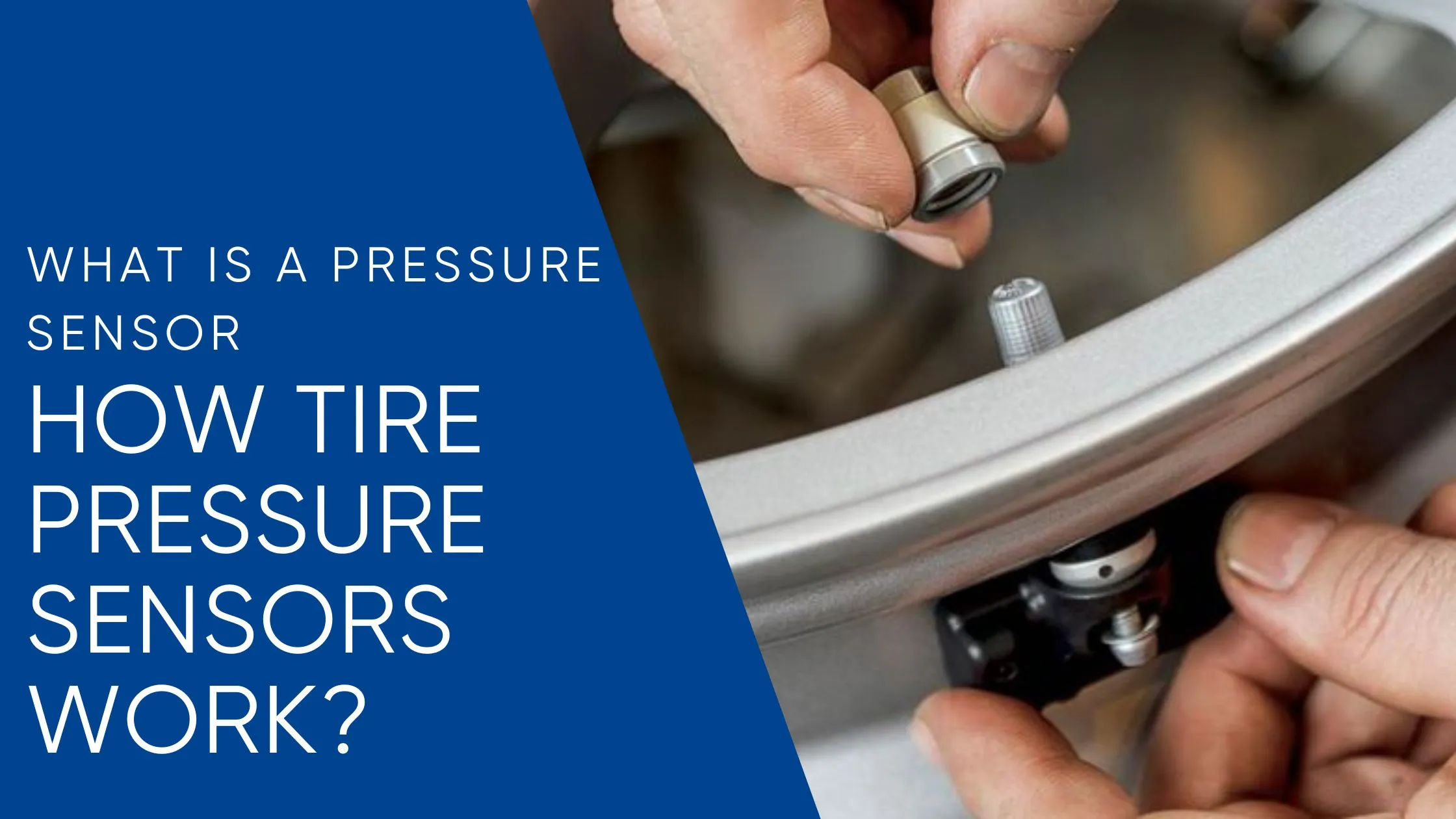
- Take the sensor and attach it to the valve stem. Make sure it’s snug and secure; loose sensors give wrong readings.
- Re-mount the tyre onto the wheel, and balance it properly. Don’t skip this step, or your ride will feel off.
- Program or pair the sensor with your car’s TPMS system. Usually, this involves a simple reset procedure , some cars do it automatically.
- Test drive for a few minutes to make sure the sensor is working. Your dashboard warning light should turn off if everything is correct.
Tire Pressure Sensor Maintenance Tips for Longer Life
- Always check your tyre pressure regularly, even if the sensors are working fine. It keeps everything accurate.
- Avoid hitting curbs or potholes too hard – sensors are small and can get damaged easily.
- When changing tyres, let the technician know you have sensors installed so they handle them carefully.
- Keep the sensors clean and free from mud or debris; dirty sensors may give false readings.
- Replace sensor batteries as needed – most last a few years, but old batteries can mess up the readings.
Common Issues with Tire Pressure Sensors and How to Fix Them
- Sometimes the sensor battery dies, and then the readings stop working. Usually, the sensor needs replacing.
- If you notice a sudden warning light after a tyre change, the sensor might need recalibration.
- Harsh impacts or driving over rough roads can damage the sensor physically. Handle it carefully when changing tyres.
- Sensors can get dirty or corroded, leading to false alerts. Cleaning them gently usually fixes this.
- Software glitches in the car can make sensors behave oddly – a quick reset or update often solves it.
These are the things I usually check first whenever a TPMS warning pops up. Simple fixes save you a lot of stress!
Also Read: How Microwave Temperature Sensors Work?
Conclusion
So yeah, pressure sensors, especially in your tyres, might seem like small gadgets, but honestly, they’re a big deal. They quietly keep your car safe, warn you about low air pressure, and even help with fuel efficiency. Knowing how tire pressure sensors work and keeping them well-maintained can save you from unexpected flats or accidents.
Whether it’s a car, industrial equipment, or even household devices, a good air pressure sensor ensures things run smoothly and safely. So, next time you check your tyres or see a warning light, remember – these little sensors are working hard behind the scenes, and proper tire pressure monitoring system installation really matters.