You know that tiny moment when your car suddenly feels “too hot” or “too lazy,” and you’re like… okay, what’s happening under that bonnet? Most of us don’t realise it, but one small part quietly keeps the engine from misbehaving, the coolant temperature sensor.
And honestly, once I understood what does the coolant temp sensor do, everything made sense. This little part tells the car’s computer how hot the engine really is. That’s why knowing how a coolant temperature sensor works and what the engine coolant temperature sensor does actually matters more than we think.
What Exactly Is a Coolant Temperature Sensor?
Imagine your engine heats up fast, cools down slow, and if no one keeps an eye on it… it will overreact. That’s where the coolant temperature sensor steps in.
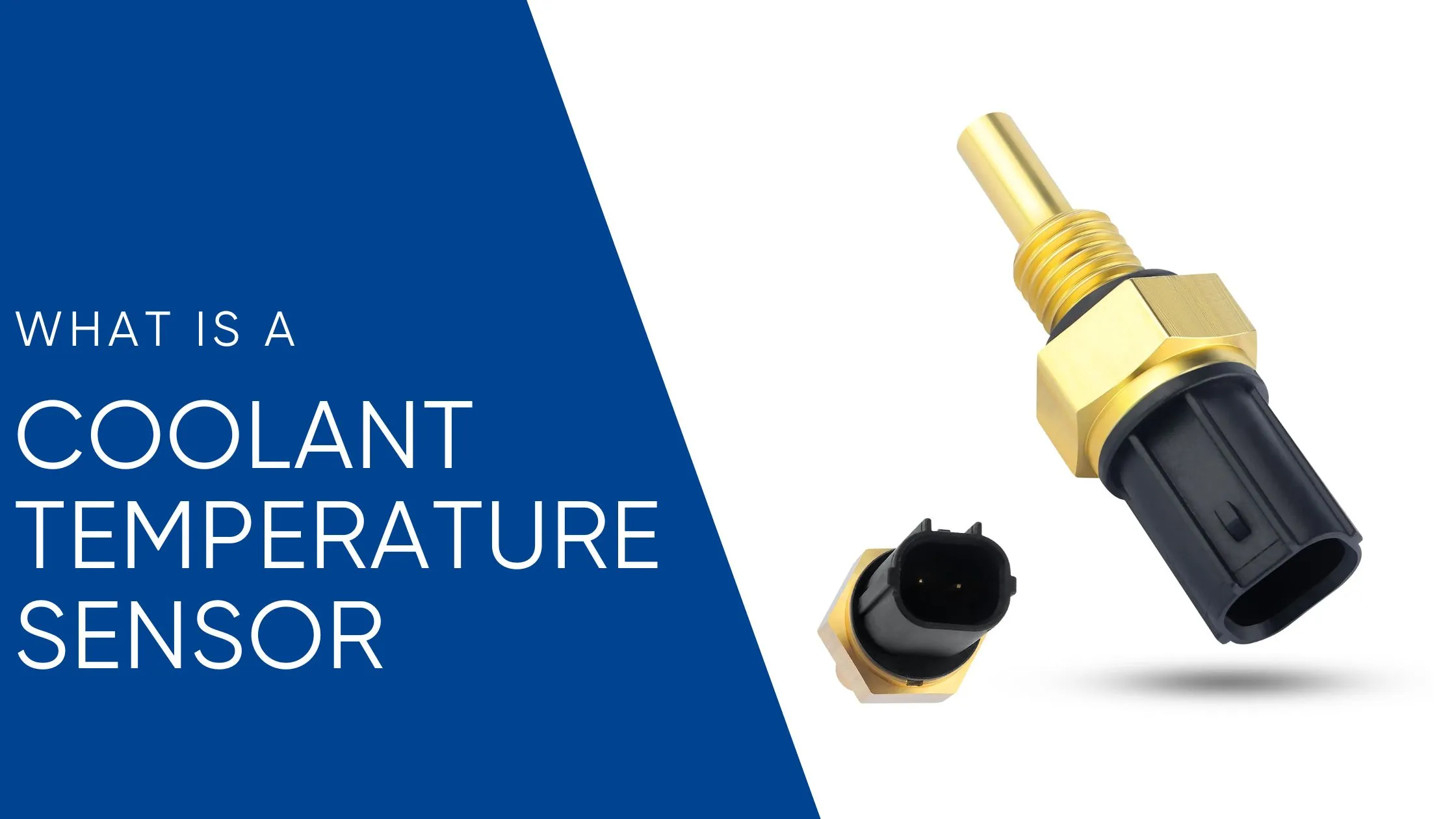
It’s a small electronic sensor (usually an NTC type) that constantly checks the engine’s temperature and sends updates to the ECU, the engine’s “brain.”
So the next time someone asks coolant temperature sensor what does it do, you can literally say, “It tells the car how hot things are getting so the engine doesn’t cook itself.”
It’s simple, but sooo important.
How Does a Coolant Temperature Sensor Work?
This tiny sensor works on a super simple idea. It uses an NTC element, meaning its resistance drops when the temperature rises. Basically, when the engine gets hotter, the resistance goes down… and the ECU reads that change like a temperature update.
If you’ve ever wondered how does a coolant temperature sensor work, what does the coolant temp sensor do, or why every diagram shows those little wires and curves, that’s the whole logic. The sensor sits in the coolant flow, feels the heat, and keeps sending signals to help the engine adjust fuel, timing, and cooling.
It’s literally doing temperature gossip 24/7 so the engine behaves properly.
Signs of a Faulty Coolant Temperature Sensor
Honestly, your car starts giving small hints. A bad coolant temp sensor can confuse the whole ECU because it sends the wrong temperature reading. And when the ECU gets wrong info, everything else goes slightly off.
Here are the usual signs:
- Engine running too rich or too lean – because the ECU thinks the engine is colder or hotter than it actually is.
- Hard cold starts – you’ll crank the engine like you’re starting an old scooter.
- Random overheating – either because the fan doesn't kick in or kicks in late.
- Poor fuel efficiency – suddenly your mileage feels like it’s disappearing.
- Temperature gauge acting weird – jumping up, dropping down, basically having mood swings.
If you catch even one of these symptoms, it’s better to get the sensor checked. It’s a small part, but it affects almost everything linked to engine temperature.
How to Replace a Coolant Temperature Sensor?
Replacing a coolant temperature sensor isn’t rocket science, but a little care goes a long way. Here’s a quick approach:
- Locate the Sensor – Usually near the thermostat housing or cylinder head.
- Disconnect the Battery – Safety first!
- Unplug the Sensor Connector – Gently pull it off.
- Remove the Old Sensor – Use a wrench to unscrew it.
- Install the New Sensor – Screw it in carefully, don’t overtighten.
- Reconnect the Connector & Battery – Check everything is secure.
- Test Engine – Start the car and ensure the ECU reads the new sensor properly.
Applications & Importance of a Coolant Temperature Sensor
Its main job is to help the engine run smoothly by keeping track of the coolant’s temperature. Here’s why it matters and where it’s used:
- Engine Performance – The sensor tells the ECU how hot or cold the engine is so the fuel-air mixture can be adjusted for optimal efficiency.
- Overheating Prevention – If the coolant gets too hot, the sensor triggers warnings or cooling fans, preventing damage.
- Fuel Efficiency & Emissions – Proper temperature readings mean better combustion, saving fuel and reducing emissions.
- Diagnostics – Mechanics can check sensor readings to spot engine problems early.
- In short, without the coolant temperature sensor, your engine would basically be flying blind. It’s small but crucial.
Conclusion
So, to wrap it up, the coolant temperature sensor might seem like a tiny, unassuming part of your vehicle, but it’s absolutely critical. It keeps an eye on your engine’s temperature, helps the ECU make the right decisions, prevents overheating, and even plays a role in fuel efficiency and emissions. Without it, your engine would be operating blind, which could lead to serious damage over time.
In short, whether you’re a casual driver or a car enthusiast, understanding how this sensor works and keeping it in good condition is key to a healthy, smooth-running engine.