Automotive Temperature Sensors: Types, Functions & Importance in Modern Vehicles
Automotive Temperature Sensors: Types, Functions & Importance in Modern Vehicles
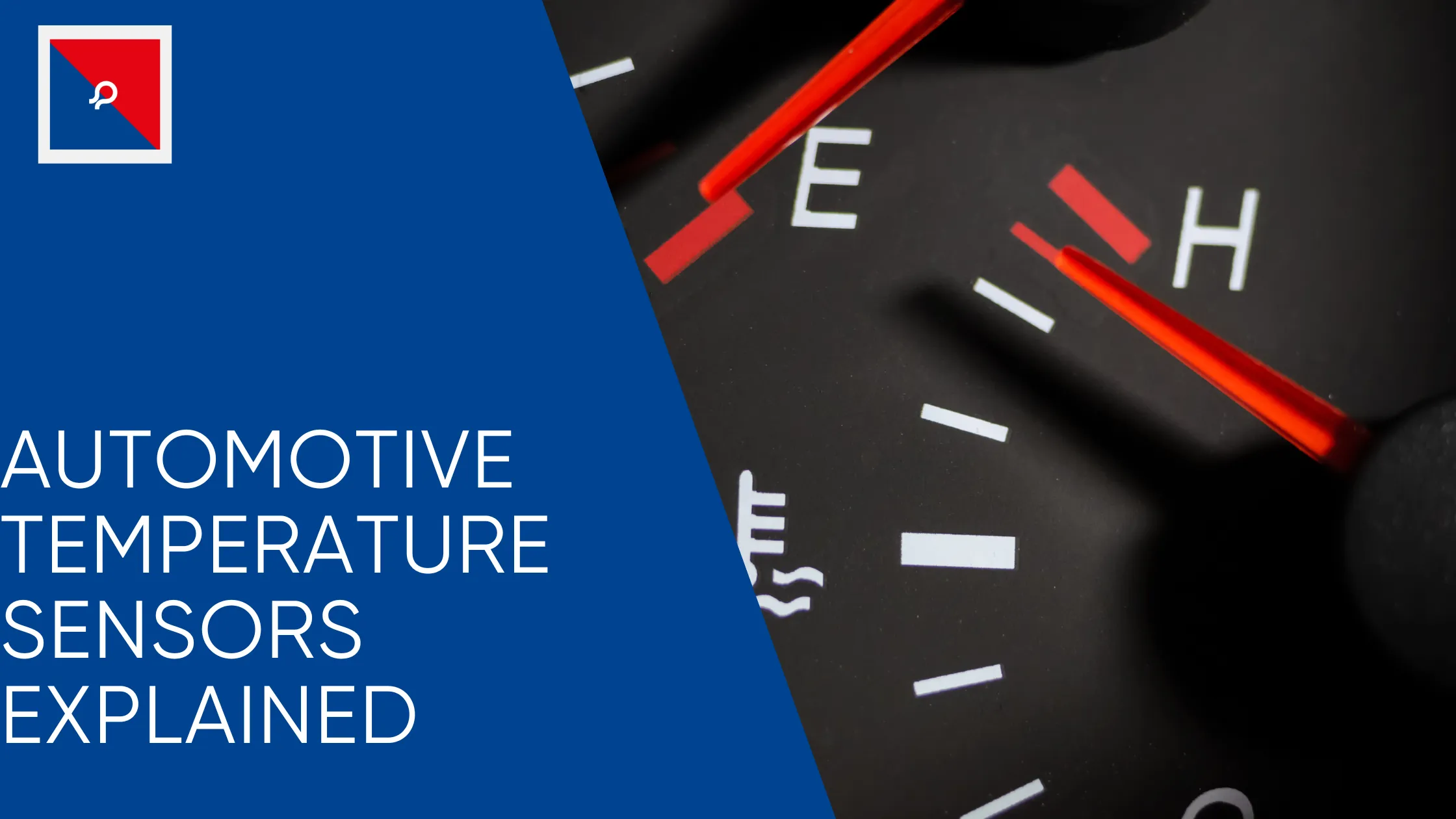
I remember driving up a steep mountain pass a few summers ago during a massive heatwave. Halfway up, my dashboard lit up like a Christmas tree, and the car temperature monitor needle shot straight into the red zone. I had to pull over immediately, smoke billowing out, all because a tiny plastic connector on my coolant line had cracked.
That miserable hour waiting for a tow truck taught me a valuable lesson: your car is basically a giant, rolling thermodynamic puzzle. If just one tiny automotive temperature sensor goes offline, the whole machine can literally destroy itself in minutes.
Whether you drive a conventional petrol car, a diesel vehicle, or an electric vehicle (EV), temperature sensors play a vital role in preventing overheating, improving engine performance, and extending component life. In this guide, we'll explore the different types of automotive temperature sensors, how they work, where they're used, and why they have become essential in today's intelligent vehicles.
Types of Automotive Temperature Sensors and Their Applications
A modern vehicle isn't just checking if the engine is hot or cold. It utilizes a dense network of temperature sensors in automotive systems rely on to balance fuel efficiency, emissions control, and passenger safety.
Here are the primary sensor nodes you will find in almost any modern vehicle:
Engine Coolant Sensors (ECT)
This is the big boss. The engine coolant sensor tells the car's main computer (the ECU) exactly how hot the block is. If the engine is cold, it triggers more fuel to help it warm up. Once it hits optimal temps, it scales back the fuel mix to save gas. The global automotive engine coolant temperature sensor market has grown massively because tightening environmental emissions laws mean engines have to run at incredibly precise, razor-thin thermal windows.
Exhaust Gas Recirculation (EGR) Sensors
To keep toxic nitrogen oxide emissions down, cars recirculate a portion of their exhaust back into the engine. An EGR sensor tracks these extreme heats. Because failing this test causes cars to instantly fail emissions checks, tracking the automotive egr gas temperature sensor market is huge for commercial fleet operators who can't afford to have delivery trucks sidelined by compliance issues.
The In-Cabin Thermistor
Ever wonder how your climate control system knows exactly when to stop blasting hot air? There is a tiny, highly sensitive thermistor in car dashboards or rearview mirrors. It tracks the cabin's ambient air and talks to the temperature control systems automotive units run to adjust fan speeds automatically.
How Do Automotive Temperature Sensors Work?
Most traditional temperature sensors automotive networks use rely heavily on NTC (Negative Temperature Coefficient) technology.
A standard thermistor in car setups is essentially a ceramic resistor wrapped in a protective brass or stainless steel housing. When the engine block or fluid heats up, the internal resistance inside the thermistor drops drastically.
The vehicle's computer passes a constant 5-volt reference signal through the sensor; as the resistance drops, the return voltage shifts. The computer translates this exact voltage change into a real-time temperature reading on your dashboard's car temperature monitor.
Common Signs of a Faulty Automotive Temperature Sensor
- Engine Overheating
- Poor Fuel Economy
- Check Engine Light
- Hard Starting
- Cooling Fan Runs Continuously
- Incorrect Temperature Gauge Readings
Automotive Temperature Sensors in Electric Vehicles (EVs)
With the massive explosion of electric mobility, the focus of temperature control systems automotive engineering has completely flipped. We aren't just monitoring burning gasoline anymore; we are monitoring battery cells and power electronics.
The stakes are actually much higher in electric vehicles. If an internal combustion engine overheats, you crack a head gasket. If an EV battery pack overheats, you risk thermal runaway, a catastrophic battery fire.
- On-Board Chargers (OBC): These convert AC grid power into DC battery juice, generating massive internal heat. Precision tracking ensures the OBC doesn't fry its own circuits during intensive fast-charging sessions.
- EV Battery Packs: Hundreds of individual lithium cells are packed tightly together. High-quality probes, similar to the ultra-reliable designs pioneered by industrial giants like burns engineering temperature sensors teams, are embedded throughout the pack to ensure liquid-cooling loops keep the cells uniform. If one cell gets too hot, the system throttles the charging speed instantly.
Why Automotive Temperature Sensors Matter?
The next time you glance at your dashboard's car temperature monitor and see that comforting needle sitting perfectly in the middle, give a little nod to the incredible network of sensors working silently underneath your hood. Whether it's a traditional thermal switch managing your radiator or an advanced digital node protecting an EV battery, these tiny components are the absolute glue holding our transportation safety together.