You are driving down the highway, enjoying your favorite playlist, when suddenly a little glowing icon pops up behind your steering wheel. Your heart sinks a bit. Is it a minor glitch, or is your engine about to give up on you?
We have all been there. It is easy to feel a bit overwhelmed because modern cars are basically computers on wheels. But here is the secret: your vehicle is constantly trying to talk to you. Those glowing car dashboard symbols are your car's way of sending a text message about its health.
Understanding these car speedometer signs isn't just for mechanics; it is essential for every single driver to prevent expensive breakdowns or, worse, accidents. Let's break down the ultimate guide to decoding your vehicle’s secret language so you can drive with absolute confidence.
Decoding the Color Code: The Traffic Light System
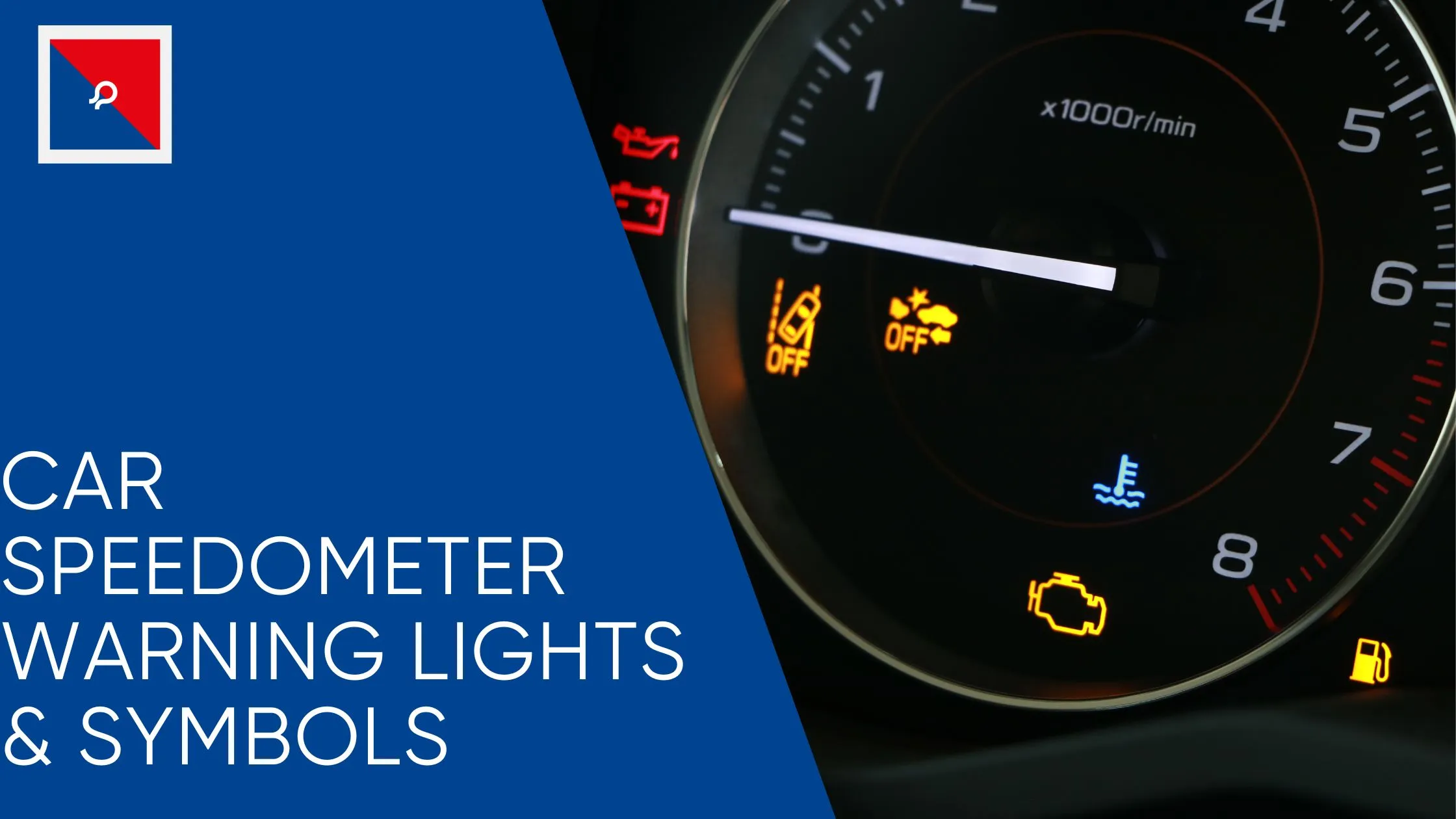
Before we look at the specific car instrument cluster symbols, you need to understand the absolute golden rule of dashboards: the colors. Think of it exactly like a traffic light system. It tells you immediately how fast you need to act.
- Green or Blue (Information Only): These mean a system is active and doing its job. Think of your high beams or cruise control. No need to panic or stop.
- Amber or Yellow/Orange (Take Action Soon): An orange light in car dashboards indicates a non-life-threatening fault or a maintenance requirement. The car can still drive, but you shouldn't ignore it for long.
- Red or Blinking Lights (Stop Immediately): A solid red icon or a blinking red light in car displays signals an absolute emergency. Safety systems have failed, or the engine is at risk of catastrophic failure. Pull over safely as soon as possible.
The Master Directory of Car Dashboard Symbols and Meanings
To make your life easier, we have cataloged the most common car symbols and meanings based on their urgency level.
Critical Red Warnings (Stop the Car Safely)

If any of these dashboard warning signs light up red while you are driving, pull over as soon as it is safe to do so.
- Brake System Light: (An exclamation mark inside a circle). If this stays on after you release the handbrake, your brake fluid is dangerously low or the main braking system has a fault. Get it towed.
- Oil Pressure Warning: (An old-school oil can dropping fluid). This means your engine has lost oil pressure. Without oil, an engine will literally destroy itself in minutes. Switch off the ignition immediately.
- Coolant Temperature Light: (A thermometer sitting in liquid). Your engine is overheating. This could be due to a broken water pump or a leaking radiator hose. Driving further will warp your engine block.
- Battery Charge Light: (A little car battery icon). Your alternator isn't charging the battery. Your car is running entirely on remaining battery juice and will die very shortly.
Amber/Orange Alerts (Schedule a Check-Up)

An orange light in car clusters means a system needs professional diagnosis soon.
- Check Engine Light: Shaped like a tiny engine, this is one of the most common car engine symbols. It signals an issue with the motor or emissions. It could be a loose gas cap, or it could be a faulty oxygen sensor.
- Blinking Engine Light: If this particular orange light starts flashing rapidly, it means the engine is actively misfiring, which can destroy your expensive catalytic converter. Treat a flashing orange engine light with the same urgency as a red light!
- Tyre Pressure (TPMS): (An exclamation mark inside a horseshoe shape). One or more of your tires is dangerously under-inflated. Pull over at the next gas station and top up the air.
- Anti-Lock Braking System (ABS): This tells you that while your normal brakes work, the emergency anti-skid feature is offline. Drive carefully and book a service.
Transmission Temperature Warning

- Color: Red or Amber
- What it looks like: A thermometer inside a gear cog, or a text warning reading "TRANS TEMP".
- Meaning: Your transmission fluid is overheating. This is common when towing heavy loads, driving up steep inclines in high heat, or if your transmission fluid level is critically low.
- Action Required: Pull over immediately and let the engine idle in Park so the cooling system can bring the transmission temperature down. Continuing to drive will destroy your transmission gears and cost thousands to replace.
Glow Plug Indicator (Diesel Engines Only)

- Color: Amber
- What it looks like: A double-looped wire coil symbol.
- Meaning: Diesel engines rely on glow plugs to heat up the air inside the cylinders before combustion can happen. When this light is on, it means the plugs are actively warming the engine.
- Action Required: Do not turn the key all the way to start the engine while this light is visible. Wait a few seconds for the light to turn off, then crank the engine. If it flashes while you are driving, one of your glow plugs is failing.
Diesel Particulate Filter (DPF) Warning

- Color: Amber
- What it looks like: A rectangle box filled with tiny dots (simulating a filter) with exhaust waves passing through it.
- Meaning: Your diesel car's soot filter is getting blocked. This usually happens if you only drive short distances in the city, preventing the exhaust from getting hot enough to burn off the trapped soot automatically.
- Action Required: Take the car for a 20-30 minute drive on a highway or open road at steady speeds. This triggers a process called "regeneration" which burns off the soot and clears the filter.
Airbag / Supplemental Restraint System (SRS) Indicator

- Color: Amber or Red
- What it looks like: A seated passenger profile looking at a deployed circle (airbag), or simply the letters "SRS" or "AIRBAG".
- Meaning: Your car's computer has detected a fault in the airbag deployment system or seatbelt pre-tensioners.
- Action Required: You can still drive the car, but you must get it serviced immediately. If this light is illuminated, your airbags will not deploy in a crash.
Traction Control / Electronic Stability Program (ESP) Light

- Color: Amber
- What it looks like: A car icon with two squiggly skid marks underneath it.
- Meaning: This light has two modes. If it is flashing while you drive over rain, ice, or loose gravel, it means the system is working perfectly to keep your tires from spinning. If the light stays solidly lit, the traction control system has faulted and turned itself completely off.
- Action Required: If it stays solid, drive cautiously on wet or slippery roads since the car won’t automatically correct slides, and have a mechanic look into the sensors.
Power Steering Warning Light

- Color: Red or Amber
- What it looks like: A steering wheel icon, sometimes accompanied by an exclamation point.
- Meaning: There is an issue with your power steering system. If your car uses hydraulic steering, you are likely low on power steering fluid. If your car uses modern electric power steering (EPS), the electric motor may have glitched or lost power.
- Action Required: Pull over safely. Your steering wheel will suddenly become incredibly heavy and difficult to turn, especially at slow speeds. Inspect your fluid levels or call for a tow.
Brake Pad Wear Indicator

- Color: Amber
- What it looks like: A circle surrounded by broken, dashed curved lines on the left and right sides.
- Meaning: Your brake pad friction material has worn down to a dangerously thin level. Your car has small built-in sensors that complete an electrical circuit when the metal backing of the pad touches the brake rotor.
- Action Required: You have a small buffer of time, but you should schedule an appointment to get your brake pads replaced within the next week before you damage your expensive brake rotors.
Automatic Shift Lock / Brake Indicator
- Color: Green or Amber
- What it looks like: A foot stepping inside a circle or shoe print shape.
- Meaning: This is a safety reminder telling you that you cannot shift your automatic gearbox out of "Park" or start the ignition without firmly pressing down on your brake pedal.
- Action Required: Simply step firmly on the brake pedal, and the light will turn off, allowing you to move the gear shifter freely.
Fuel Filter / Water-in-Fuel Warning
- Color: Amber
- What it looks like: A gas pump or small fuel canister shape with water droplets at the bottom.
- Meaning: Diesel fuel filters have a built-in water separator trap. This light indicates that the water trap is completely full and moisture is risking entering your engine's precise fuel injection system.
- Action Required: Take the vehicle to a mechanic or service station promptly to have the water drained from the fuel filter housing before it rusts out your engine internals.
Master Warning Light
- Color: Red or Amber
- What it looks like: A large triangle with an exclamation mark inside it.
- Meaning: This is a general alert symbol. It almost always pops up alongside another, smaller warning light or a text message on your digital dashboard display to draw your immediate attention to a system error.
- Action Required: Check your instrument cluster’s text display screen to see exactly which system (such as a low washer fluid level, an open hood, or a key fob battery failure) triggered the master alert.
Low Coolant Level Indicator
- Color: Amber or Yellow
- What it looks like: A radiator box icon with liquid or waves at the bottom, or an arrow pointing down into waves.
- Meaning: Unlike the red thermometer light (which tells you the engine is already dangerously overheating), this amber light is an early warning that your radiator’s coolant reservoir level has dropped too low.
- Action Required: Top up your engine coolant as soon as the car cools down. Check underneath the engine bay for any obvious green, pink, or orange fluid puddles that might indicate a slow leak from a radiator hose or the water pump.
Reduced Engine Power ("Limp Mode")
- Color: Amber
- What it looks like: An outline of an engine with an arrow pointing downward inside it, or a text alert reading "REDUCED ENGINE POWER".
- Meaning: Your car's primary computer (the ECU) has detected a critical sensor fault that could destroy the powertrain if left running at full speed. To protect itself, the car limits your maximum speed and RPMs.
- Action Required: Drive cautiously straight to the nearest mechanic or park in a safe spot. The car will accelerate incredibly slowly, which can be dangerous on busy highways.
Lane Departure Warning (LDW)
- Color: Amber or Green
- What it looks like: A car drifting or steering angled across two dashed parallel lines (lane markings).
- Meaning: Found in modern cars equipped with Advanced Driver Assistance Systems (ADAS). When it flashes amber, it means the vehicle's forward-facing cameras have detected you are drifting out of your lane without using a turn signal. If it stays solid amber, the camera is blocked by dirt, heavy rain, or a sensor fault has disabled the system.
- Action Required: If it is flashing, safely correct your steering back into the lane. If it is solid, clean your windshield near the rearview mirror sensor hub next time you park.
Icy Road / Low Temperature Warning
- Color: Amber or Blue
- What it looks like: A snowflake icon, sometimes placed next to a tiny road graphic or a thermometer.
- Meaning: The vehicle’s external ambient air sensor has detected that the outside temperature has dropped to near or below freezing (typically $3^\circ\text{C}$ / $37^\circ\text{F}$ or lower). It is a passive environmental alert.
- Action Required: No immediate mechanical action is needed, but you should adjust your driving habits immediately. Black ice can form invisibly on roads, bridges, and overpasses at these temperatures, drastically dropping your tires' traction.
Gas / Fuel Cap Warning
- Color: Amber
- What it looks like: A side profile of a car with an unscrewed fuel cap, or a simple gas cap outline.
- Meaning: Your car's fuel system is pressurized to prevent harmful fuel vapors from escaping into the environment. If this light pops up, it means the pressure sensor detects an air leak in the evaporative emissions loop—most commonly because the gas cap was left loose after refueling.
- Action Required: Pull over safely, open your fuel door, and tighten your gas cap until it clicks firmly. The light will usually reset and disappear on its own after a few kilometers of steady driving.
The Takeaway
No matter how complex the internal mechanics of a vehicle look, monitoring your car instrument cluster symbols keeps things simple. Think of your dashboard as an early warning system. By addressing an orange light in car readouts early, you avoid the terrifying reality of a sudden red light emergency on a busy highway. Stay safe, keep your eyes on the road, and don't ignore what your speedometer is trying to tell you!