Common EV Battery Problems That Cost ₹5–10 Lakhs (And How to Avoid Them)
Common EV Battery Problems That Cost ₹5–10 Lakhs (And How to Avoid Them)
So, you finally took the plunge and bought an electric vehicle. It feels great, right? Silent cabin, zero emissions, and no more stopping at smelly gas stations. But then, a few months down the line, reality hits. You notice you are charging it way more often than before. Or maybe the dashboard range says 100 miles, but you only drove 60 before the low battery light started panicking.
If you are dealing with this, you are not alone. Range anxiety is real, and problems with electric cars usually start and end with the battery pack.
When your vehicle suddenly stops running far, it is easy to blame the battery itself. But honestly? The issue is often hidden deep in your car’s wiring, your charging habits, or even a confused controller sensor. Let’s break down the most common issues with electric cars, why they happen, and how to actually fix them.
Why Has Your EV Range Suddenly Dropped?
It is the number one complaint from new EV owners. You expect a certain mileage, but the vehicle just won't hit it. Here is what is usually happening behind the scenes.
1. Circuit Resistance
Think of your EV wiring like a water pipe. If there is a kink in the pipe, the water slows down. In an EV, if your connector plugs (between the controller, battery, and motor) get slightly oxidized or rusted over time, they create resistance. This resistance steals your voltage and turns it into pure, wasted heat. If your connectors look burnt or black, your power is literally vanishing into thin air before it ever reaches your wheels.
2. Motor Demagnetization & Controller Drift
Sometimes the motor itself gets tired. If the internal magnetic steel inside the motor loses its strength due to extreme heat, the motor has to pull way more current just to move the car. Your ev car battery life will plummet because the motor is acting like a giant straw, sucking down power at twice the normal rate.
3. Basic Mechanical Drag
Before you go tearing apart your expensive electronics, check your tires! Driving with low tire pressure increases rolling resistance massively. Tight wheel bearings or a brake pad that is slightly dragging will also kill your range in days.
Why Your Battery Gets Super Hot (And Doesn't Turn Green)
Ever went to check on your vehicle while it is charging, touched the battery compartment, and felt like you could fry an egg on it? That is a massive warning sign.
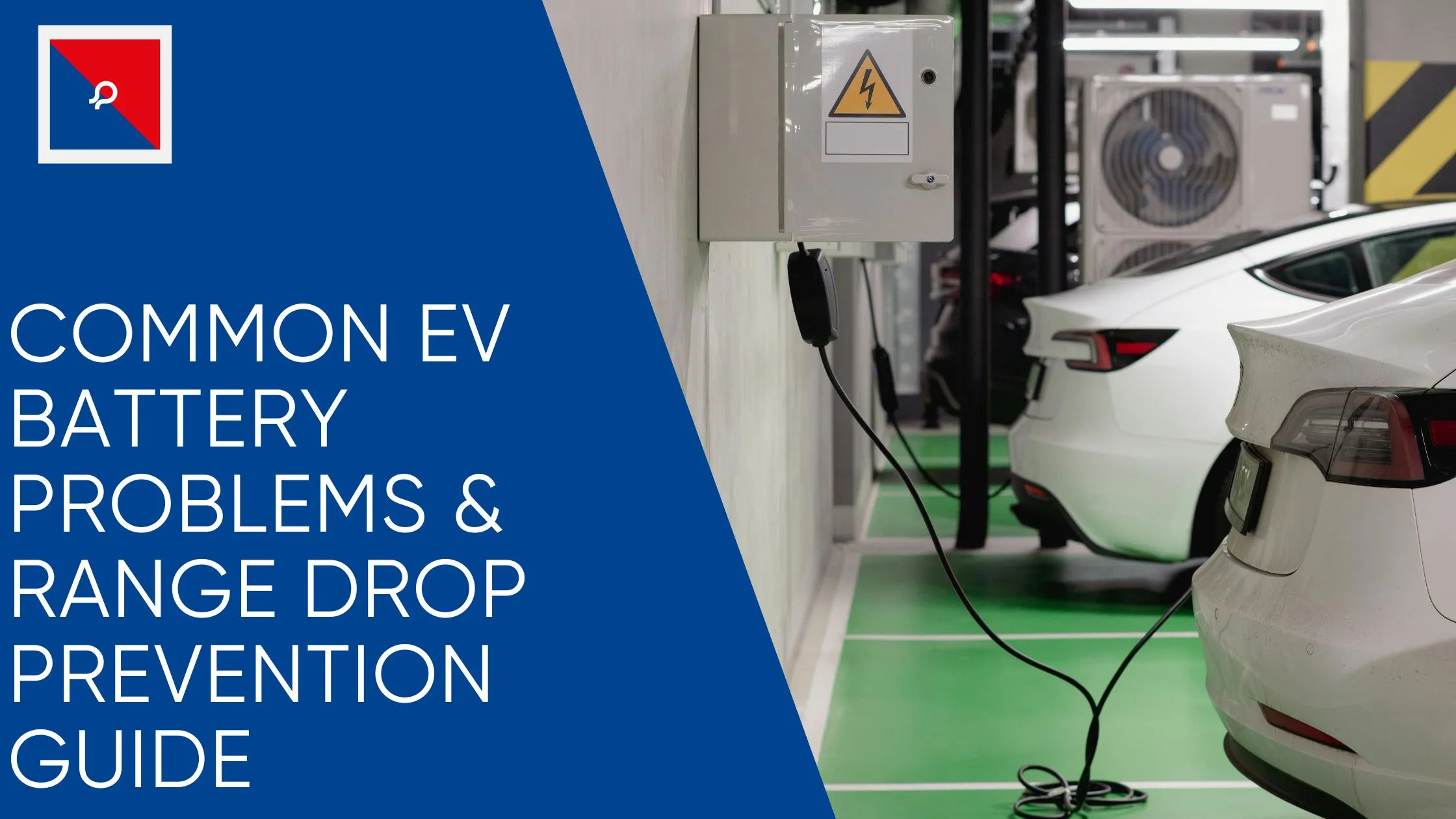
If your charger refuses to turn green and stays stuck on the high-voltage charging phase, your battery is likely losing water through internal evaporation. When a charger pushes too much voltage, it splits the internal water into hydrogen and oxygen gases. This causes the battery cells to swell up like a balloon.
Critical Warning: If a swollen battery cell creates an internal spark near those trapped hydrogen and oxygen gases, it can cause a serious fire or explosion. Never ignore a battery pack that feels hot to the touch during a charge cycle.
Smart Tips: How to Stop Battery Drain & Protect Your Vehicle
You don't need to be a certified technician to keep your electric car running perfectly. A little bit of ev battery maintenance goes a long way. If you want to know how to stop battery drain and protect your investment, follow these daily rules:
1. Keep it Between 20% and 80%:The golden rule of lithium cells.
Avoid letting your vehicle sit at 100% charge for days, and never run it down to absolute zero. Keeping the charge state in the middle zone drastically extends your overall battery life.
2. Learn to Conserve While Driving: While on the road.
Wondering how to conserve EV battery while driving? It is all about smooth acceleration and maximizing your regenerative braking. Avoid sudden stomps on the pedal, which cause massive current spikes and heat up the cells.
3. Avoid Extreme Temperatures: Watch the thermometer.
Whenever the weather goes above 40C or drops below -10C, your battery efficiency drops by about 1% for every degree. Park in the shade during summer and inside a garage during freezing winters.
4. Never Add Tap Water to Cells: Say no to cheap fluids.
If you have a maintainable battery type that needs fluid top-ups, only use pure deionized or double-distilled water. Adding regular tap water introduces iron and copper impurities that will instantly short-circuit and scrap the battery.
The Truth About Battery Repair Instruments
Can you actually repair a dying EV battery? Yes and no.
When a battery pack ages, lead sulfate crystals or chemical passivation layers build up on the internal plates, blocking the flow of electricity. Professional repair shops use advanced pulse instruments that shoot high-energy electrical pulses into the pack, kind of like an ultrasonic stone crusher doctors use for kidney stones, to smash those crystals apart and restore capacity.
However, if your battery is physically bulging, cracked, leaking air, or has completely melted internal joints, no instrument on earth can save it. At that point, you need to look into recent ev battery improvements and upgrade to a certified lithium-ion pack with a built-in smart Battery Management System (BMS) that regulates its own temperature automatically.
Wrapping It Up
At the end of the day, dealing with problems with electric cars doesn't have to be a nightmare. Most range issues come down to poor charging habits, neglected tire pressure, or oxidized wire connections that just need a quick cleaning. Take care of your charging cycles, keep things cool, and your EV will keep running smoothly for years to come!