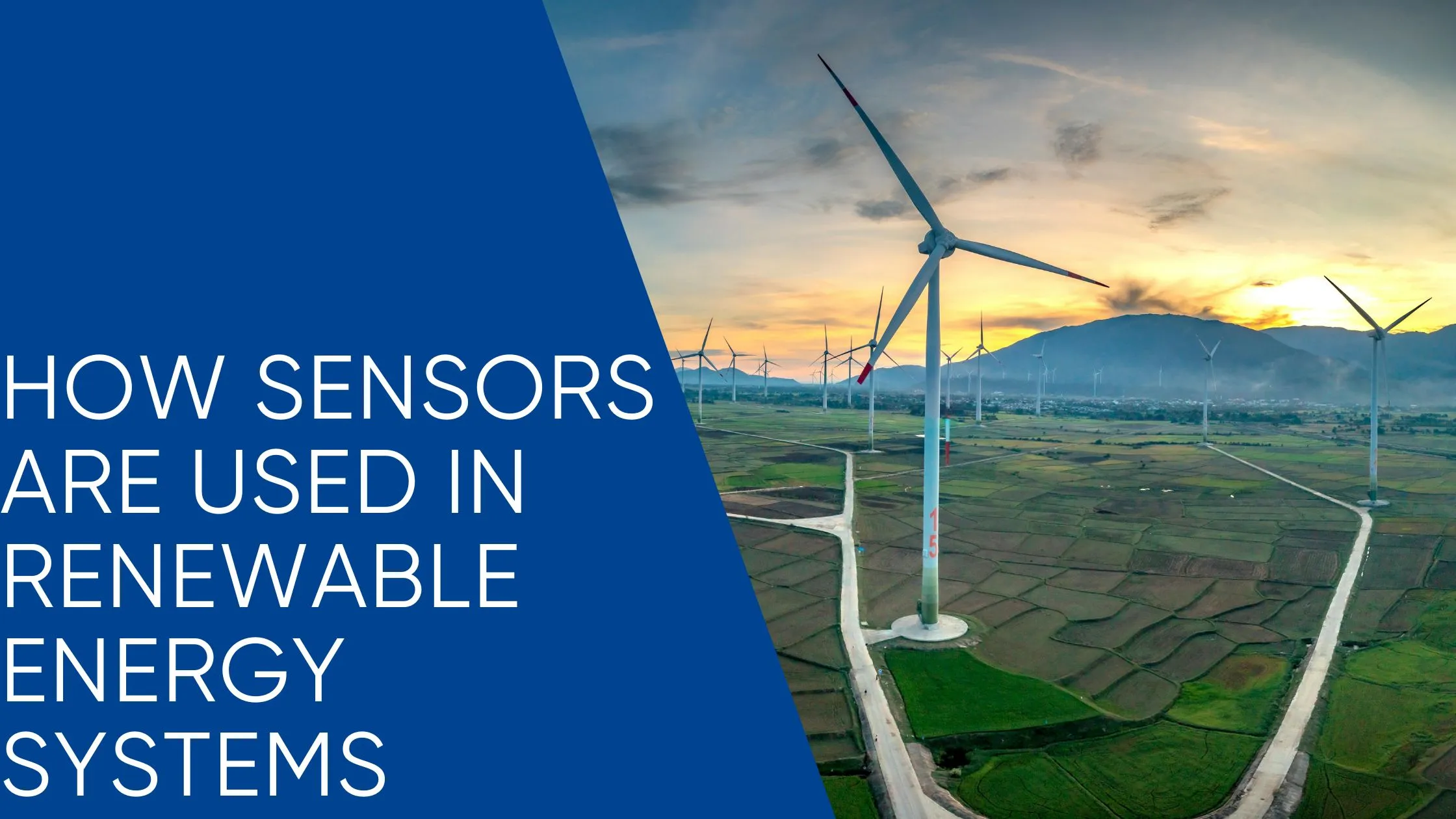
I was driving past a massive wind farm recently, those giant white turbines that look like something out of a sci-fi movie, and I couldn't help but think about what’s actually happening inside them. It’s easy to see the blades spinning, but what you don't see are the hundreds of tiny "nerves" called sensors for power generation equipment making sure the whole thing doesn't spin itself apart or catch fire.
When we talk about renewable energy, we usually focus on the big stuff. The panels and the turbines. But at JR Sensors, we know that green energy is only as good as the data driving it. Without high-quality sensors for power generation equipment, a solar farm is just a bunch of expensive glass sitting in the sun.
Here’s the "under the hood" look at how these sensors are actually running the show.
1. Solar Power
Solar panels are "passive," right? You just put them out and they make power? Not quite.
MPPT: The Brain of the Panel
One of the most important jobs for sensors for power generation equipment in solar is something called Maximum Power Point Tracking (MPPT). Sunlight changes throughout the day. Clouds move, the sun shifts, and the temperature rises. Sensors monitor the voltage and current in real-time to adjust the load so the panels always extract the maximum possible energy.
Inverters and Grid Sync
Converting DC power from the sun into AC power for your home is tricky. You need current sensors to synchronize the frequency with the electrical grid. If the sync is off, you don't just lose power, you risk a massive fault. Reliable sensors for power generation equipment act as the "policeman" here, detecting faults and ensuring the energy transfer is safe and efficient.
2. Wind Power
Wind turbines live in some of the harshest environments on Earth, middle of the ocean, gusty plains, or freezing mountains. They are mechanical beasts, and they rely heavily on sensors for power generation equipment to survive.
- Anemometers & Vane Sensors: These measure wind speed and direction. If the wind gets too strong, the sensors tell the turbine to "feather" its blades or shut down to prevent structural failure.
- Vibration Sensors: These are like a stethoscope for the turbine's gearbox. They detect tiny imbalances before they turn into a catastrophic breakdown.
- Temperature Sensors: Gearboxes and generators get hot. Using high-end sensors for power generation equipment ensures the system throttles back or cools down before the oil breaks down and the gears grind to a halt.
The Different Flavors of Green Energy
While solar and wind are the big hitters, the tech for sensors for power generation equipment is used across the whole "Green" spectrum:
| Energy Type | Role of Sensors | Key Goal |
| Solar PV | Current & Irradiance Monitoring | Maximize energy extraction |
| Wind Power | Speed, Direction, & Vibration | Safety and mechanical longevity |
| Hydro Power | Pressure & Flow Rate | Consistent electricity generation |
| Geothermal | High-Temp & High-Pressure | Monitoring Earth's internal heat |
| Biomass | Gas Level & Combustion Temp | Smooth burning and emission control |
Enhanced Observability
One of the biggest headaches for utilities right now is "intermittency." The sun doesn't always shine, and the wind doesn't always blow. To fix this, we need "observability."
By installing sensors for power generation equipment across the smart grid, utilities can actually predict energy production. This is called solar forecasting. If the sensors see a cloud bank moving over a solar farm 50 miles away, they can ramp up other sources in advance. This prevents those annoying "brownouts" and makes the whole grid way more stable.
The Future: AI and Low-Cost Sensors
We are moving toward a world where every single component in a green energy system has a voice. The next wave of sensors for power generation equipment will be even smaller and cheaper, allowing us to monitor things we couldn't before, like the structural health of individual turbine blades or the dust buildup on a single solar cell.
With the help of AI, these sensors for power generation equipment won't just report problems; they’ll predict them weeks in advance. That’s the difference between a minor maintenance check and a million-dollar repair job.
Final Thoughts from JR Sensors
The transition to a sustainable future isn't just about building more "stuff." It’s about building smarter stuff. Whether it’s a pressure switch in a sea vessel or a temperature probe in an electric car, sensors for power generation equipment are the reason we can trust renewable energy to power our lives.
At JR Sensors, we believe that the data from these sensors is the true "fuel" of the future. It’s what allows us to squeeze every last watt out of the sun and the wind while keeping the equipment safe.