Electric vehicles (EVs) are not a thing of the future anymore, but the current and future of mobility. However, along with the increase comes heat management as a challenge, particularly in batteries and power electronics. Effective thermal control of electric cars can be lost at the cost of performance, safety, and longevity. That is why car makers, scientists, and suppliers are putting lots of money into next-generation EV battery thermal management systems.
Why Thermal Management Matters in EVs?
As opposed to other cars that use combustion engines, EVs run on high-capacity lithium-ion batteries. These batteries are effectively used at a certain range of temperature; normally between 20 °C and 40 °C. Heat can lead to battery degradation and low charging efficiency, as well as safety risks such as thermal runaway. Conversely, the lower the temperature, the less the range and performance.
Here, the thermal management of electric vehicles becomes essential. The control of battery, motor, and cabin temperatures will enable EVs to provide the stability of performance, as well as the safety of the driver.
EV Battery Thermal Management – The Core of Efficiency
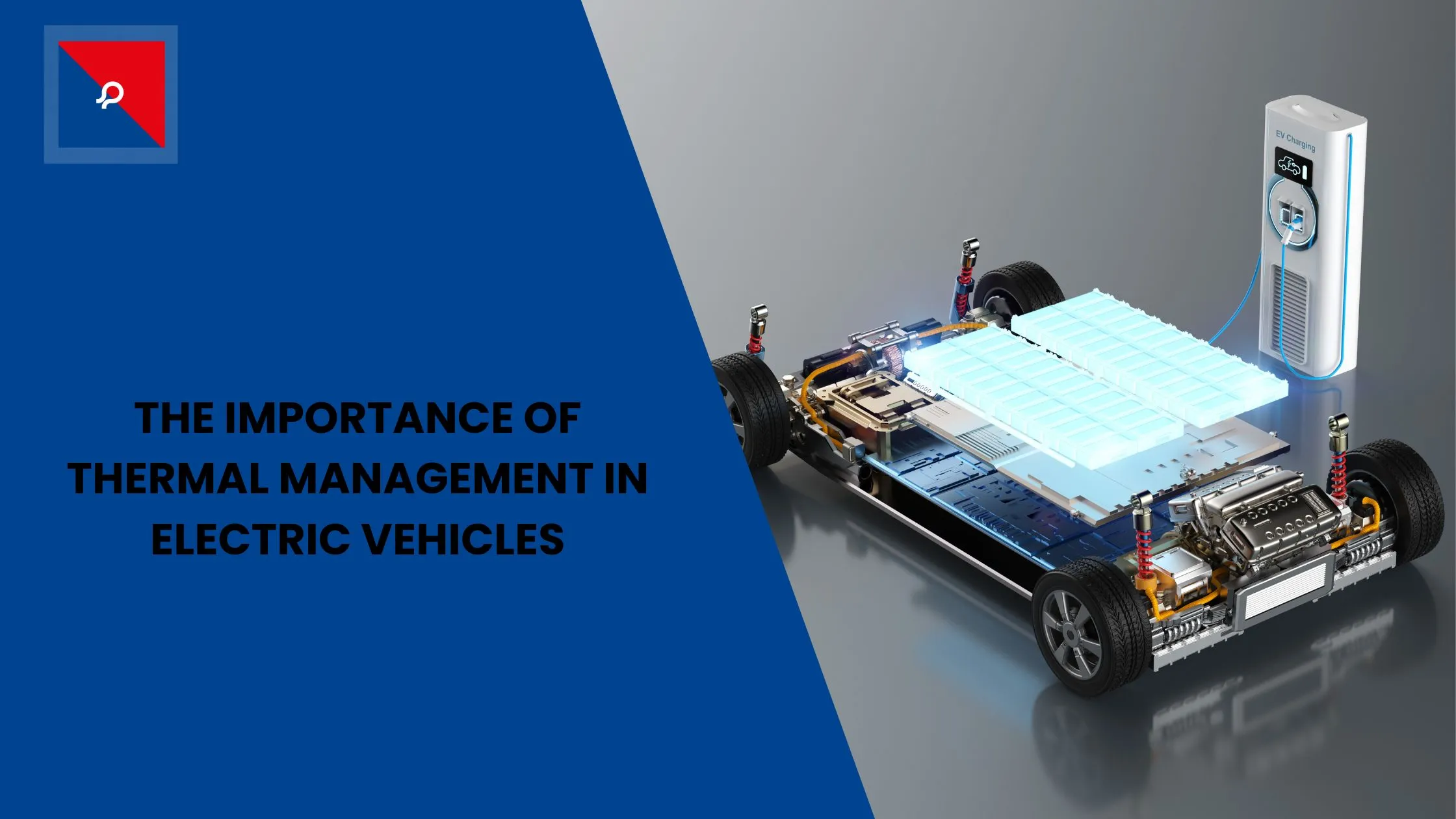
The battery pack is the heart of an electric car, making EV battery thermal management one of the most critical engineering aspects. Modern systems use air cooling, liquid cooling, or advanced refrigerant-based cooling to keep temperatures within safe limits.
- Air Cooling: Simple and cost-effective, but less efficient in high-performance EVs.
- Liquid Cooling: More effective, circulating coolant around cells for uniform temperature distribution.
- Refrigerant Cooling: Advanced systems directly use refrigerants for superior efficiency.
Efficient electric car battery cooling ensures batteries maintain their lifespan, offer fast-charging compatibility, and support long-distance driving without overheating.
Thermal Management for Electric Vehicles Beyond Batteries
While batteries take centre stage, thermal management for electric vehicles covers more than just energy storage. Components such as power electronics, electric motors, and even cabin climate control need effective temperature regulation.
- Motors & Inverters: Overheating can reduce efficiency and cause wear and tear.
- Power Electronics: Proper cooling ensures converters and controllers perform reliably.
- Passenger Comfort: Integrated systems balance cabin cooling/heating without straining the battery.
This holistic approach to thermal management in electric vehicles not only maximises performance but also ensures overall efficiency of the EV ecosystem.
The Link Between Safety and Thermal Management
Thermal runaway is one of the biggest concerns in EV design. It occurs when a single overheated cell triggers a chain reaction, leading to fire or explosion. Advanced EV battery thermal management systems prevent this by:
- Detecting abnormal heat levels early.
- Distributing cooling evenly.
- Using smart sensors and AI-driven control systems.
By preventing overheating, manufacturers can assure both safety and customer trust.
The Role of Innovation and Sensors
Manufacturers today are adding smart sensors, AI and new materials to electric vehicle thermal management. High-end EVs are now coming with predictive maintenance, real-time monitoring and adaptive cooling. This is not only safe but also gives a longer battery life and experience.
JR Sensors – Driving Smarter Thermal Management
JR Sensors is at the leading point of creating EV sensor solutions. Their innovative temperature and pressure sensors enable precise monitoring of battery packs, motors, and electronics. JR Sensors with real-time data and high accuracy guarantees safer and more efficient long-lasting electric vehicles.
Future of EV Thermal Management
With the increasing number of EVs, the need to charge the battery more quickly and have higher capacities is increasing. The two trends produce additional heat, which contributes to the increased importance of electric car battery cooling and thermal systems. The innovations of the future could be phase-change material, solid-state battery cooling, and AI-driven predictive systems. The result is to ensure EVs are safer, reliable, and all-weather.
Conclusion
Thermal management of EV batteries is not a luxury any longer, but rather the keystone to EV safety, performance, and life cycle. Thermal solutions determine the range and safety of our driving capabilities with electric car battery cooling, integrated motors and power electronics. We will witness smarter, more adaptive and more efficient thermal management of electric vehicles as technologies evolve and the road to a sustainable future is paved.