I’ll admit something a bit embarrassing. A few years ago, before I got deeply into the technical side of things at JR Sensor, I used to think all smoke alarms were basically the exact same plastic disc. You buy one, slap it on the ceiling, change the battery when it starts making that annoying chirping sound at 3 AM, and call it a day.
Then, we had a small toaster mishap. The kitchen filled with thick, smoldering smoke, but the alarm right outside the door didn’t make a peep. Why? Because it was the wrong type of sensor for that kind of smoke.
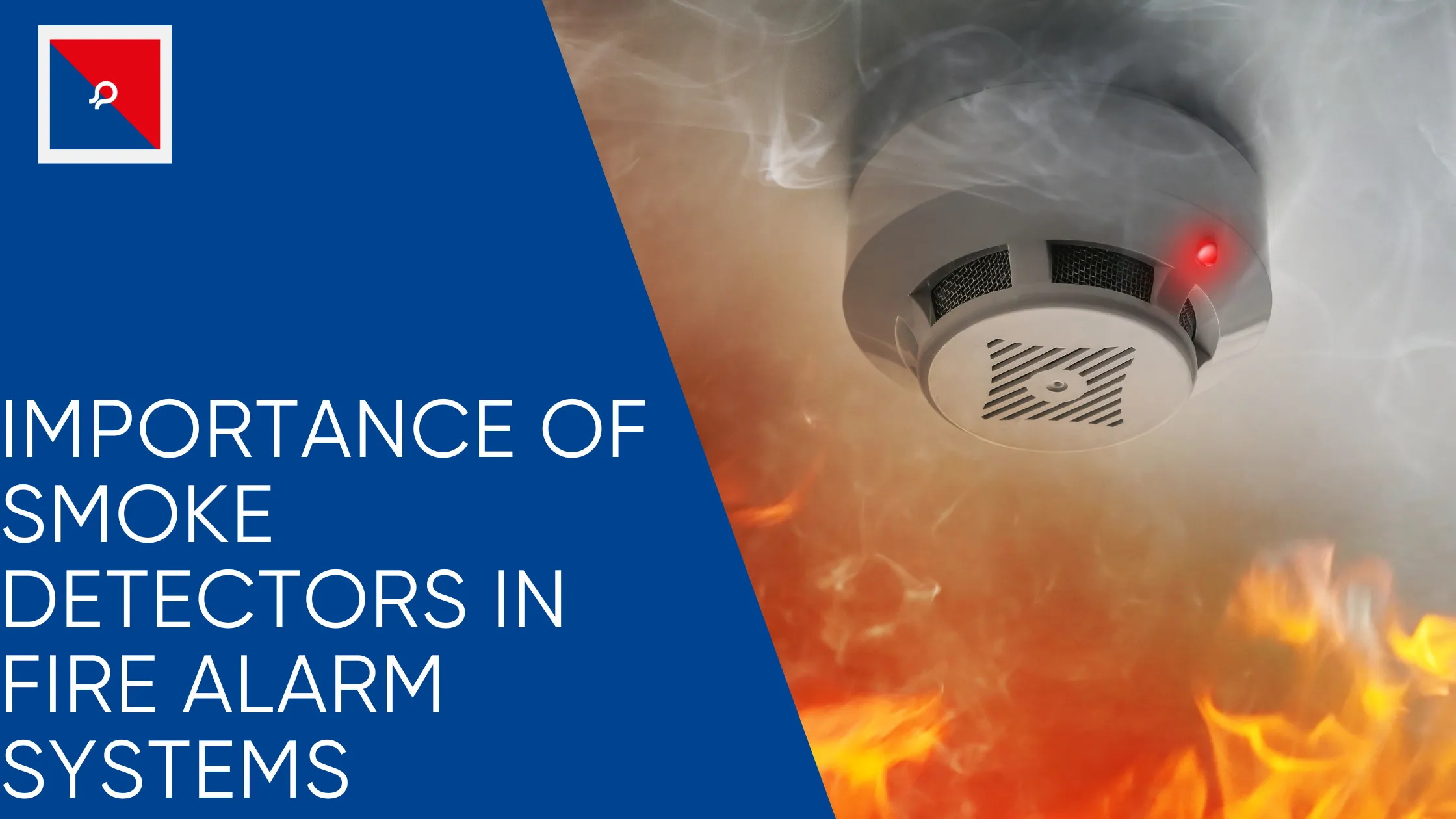
That was a huge wake-up call. According to data from fire services, you are at least 4 to 8 times more likely to die in a home fire if you don’t have a working alarm. But it’s not just about having any random device; it’s about understanding how a fire and smoke detector actually integrates into a larger safety strategy. Let's break down how these systems work, why they fail, and how to set them up properly so you can sleep soundly.
Ionization vs. Photoelectric: The Great Sensor Debate
Not all smoke is created equal, which means your fire smoke detector choice matters immensely. There are two primary types of technology used to sniff out a fire, and they look for completely different things.
Ionization Detectors (Fast-Flaming Fires)
These contain a tiny, completely safe amount of radioactive material that ionizes the air inside a small chamber, creating a constant electrical current. When smoke particles from a fast-burning, raging fire (like burning paper or grease) enter the chamber, they disrupt that current, which triggers the alarm.
Photoelectric/Optical Detectors (Smoldering Fires)
These use a tiny internal light beam and a photocell sensor. Normally, the light shoots straight across and misses the sensor. But when thick, heavy smoke from a smoldering fire (like a couch cushion, a mattress, or overheated wiring) creeps into the chamber, it scatters the light beam. The scattered light hits the sensor, and BOOM, the alarm goes off.
Also Read: Prevention Tips for the Electrical Causes for Fire in House
The Real Uses of Fire Alarm System Setups
A lot of people think the only uses of fire alarm tech is to make a loud noise to wake you up. While that's the main job, the actual application of fire alarm system networks goes way deeper, especially in modern or commercial buildings.
When you install a comprehensive smoke detector fire alarm system, you are getting a multi-layered defense network:
- 24/7 Monitored Protection: It works round-the-clock, whether you are fast asleep, in the shower, or away on vacation.
- System Interconnection: If a fire starts in your attic or basement, an interconnected system triggers every alarm in the house simultaneously, giving you extra minutes to get out.
- Automation Triggers: In commercial spaces, the uses of fire alarm system setups include automatically closing fire doors, turning off HVAC fans so smoke doesn't spread, and turning on sprinkler systems.
How to Choose the Right Fire Alarm System for Your Building?
You can't just guess where to put these things. When designing a smoke detector fire alarm system, you have to factor in the layout, power sources, and local codes.
Here is a quick cheat sheet on how to evaluate your needs:
| Building Factor | What You Need to Consider | Best Choice / Action |
| Kitchens & Garages | High risk of false alarms from cooking fumes or car exhaust. | Use a Photoelectric fire smoke detector or a specialized heat sensor instead of ionization. |
| Bedrooms & Hallways | This is where you sleep; early warning is vital. | Install dual-sensor units (Ionization + Photoelectric) inside and outside every sleeping area. |
| Power Source | Battery-only units can fail if you forget maintenance. | Choose hardwired systems with a battery backup, or units with a 10-year sealed lithium battery. |
| Commercial Layouts | Large areas require addressable loops to locate the exact fire source. | A professional, zoned application of fire alarm system with central monitoring. |
Avoiding the "Dead Air" Trap: Proper Installation
Where you mount your fire and smoke detector is just as critical as the technology inside it. I see so many people screw this up because they put them in corners where air stagnant pools.
Follow these rules to ensure the smoke actually reaches the sensor:
- Ceiling Mounting: This is always the best option. Place the alarm dead center, or at least 30 cm away from any wall or light fixture.
- Wall Mounting: If you absolutely have to put it on a wall, make sure it sits between 15 cm and 30 cm below the ceiling. Any higher or lower, and the smoke might bypass it completely due to air currents.
- Avoid Corners: Keep them away from tight corners or peaks of A-frame roofs. These are "dead air spaces" where smoke rarely circulates quickly.
- Multi-Level Coverage: You need at least one alarm on every single floor of your home, including the basement and the attic.
Also read: How Temperature Sensor Can Help in the Overheating of EV Cars
Don't Fit It and Forget It!
A dead fire smoke detector is worse than no detector at all because it gives you a false sense of security. Maintenance isn't hard, but you have to keep a regular schedule.
1.The Push-and-Hold Test:Every Month.
Walk around your house and press the physical test button on every unit. Hold it down until you hear that piercing, loud siren. If it’s weak or silent, fix it immediately.
2.The Vacuum Clean:Every 6 Months.
Dust and tiny spiders love to crawl inside optical chambers, causing annoying false alarms. Gently vacuum or dust around the outer vents of the device to keep the sensor clean.
3.Change the Batteries:Every Year.
If you have traditional removable alkaline batteries, swap them out once a year—don't wait for the low-battery chirp! If you have a 10-year sealed unit, you can skip this step.
4.Complete Unit Replacement:Every 10 Years.
All sensors degrade over time. The internal components lose sensitivity after a decade. Check the manufacturing date printed on the back; if it’s older than 10 years, replace the whole thing.
Hardware is Your First Line of Defense
At the end of the day, investing in a high-quality fire and smoke detector isn't about passing a legal inspection or satisfying an insurance company (though it can give you insurance discounts!). It's about protecting your family or your business when you aren't looking.
The uses of fire alarm technology only matter if the hardware actually works when the air fills with smoke. Take a walk through your house, check those expiration dates, and make sure your safety net is ready.