In the case of electric vehicles (EVs), all the attention is focused on the flashy, sexy looks, blistering performance and how many miles you can go before the battery gets hot under the collar. But we should give the electric vehicle sensors, the unseen braintrust that ensures that your EV does not amount to a 2-ton paperweight, a moment in the spotlight.
These sensors on vehicles would be the backstage crew of the EVs band in the case the EVs were rockstars and would keep everything running smoothly by keeping track of temperature, torque, speed, pressure, etc. and even what our mood is when we are driving them (okay, not yet, but we are nearly there).
Here goes: strap in because we are hitting an electric car at full speed through the list of vehicle sensors it takes to make your electric car go to town.
Battery Management System (BMS) Sensors – The Battery Babysitters
Without batteries, EVs are overpriced furniture. BMS sensors are the gatekeepers of battery health. They monitor:
- Temperature (to avoid overheating or frostbite)
- Voltage of each cell
- Current flow
- State of charge (SOC)
Why? Because lithium-ion cells are like moody artists, if you don’t keep them within the perfect range, they throw a tantrum (read: thermal runaway).
Temperature Sensors – The Cool Custodians
Sensors used in electric cars constantly monitor temperatures of:
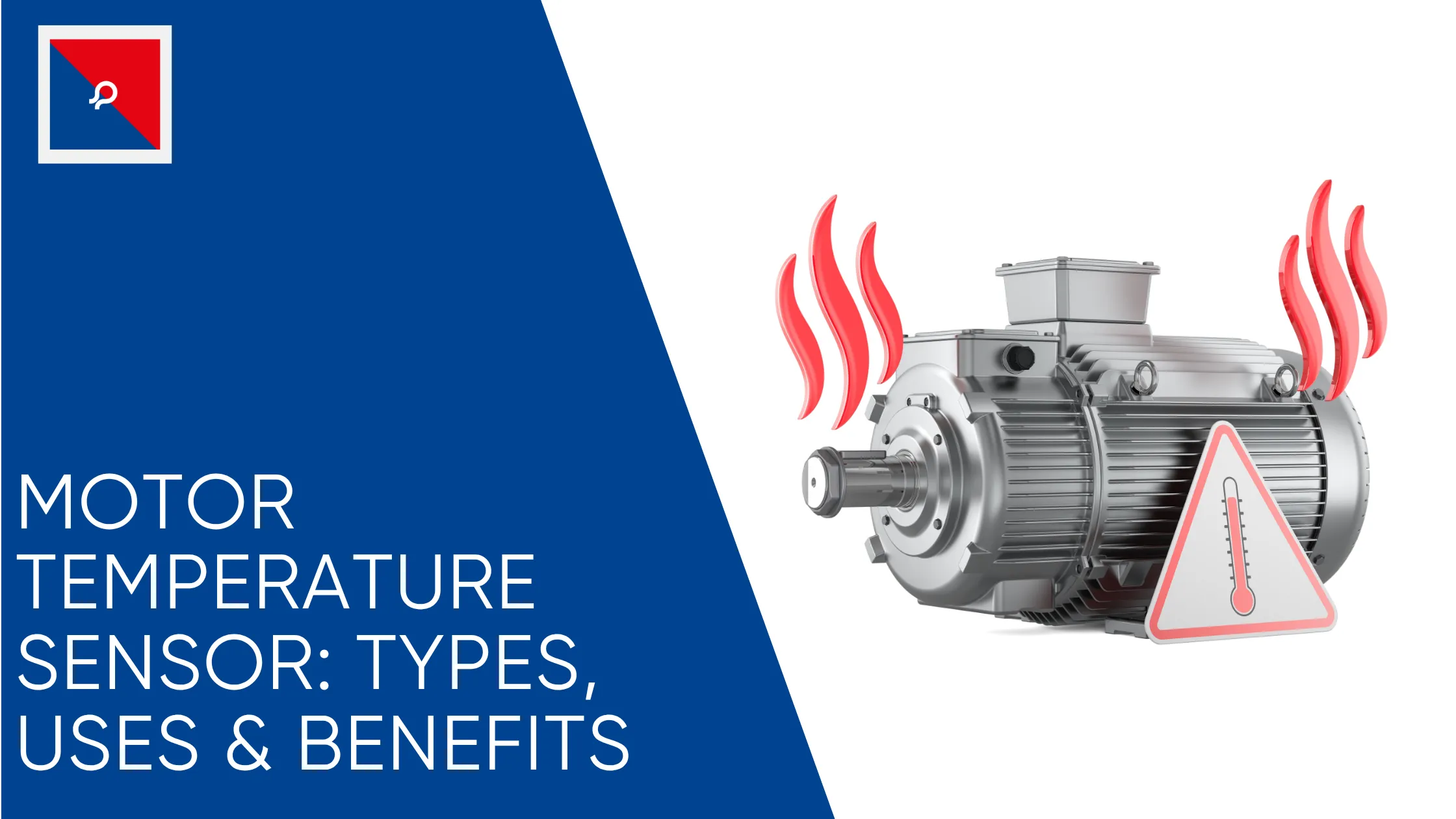
- The motor
- Inverter
- Battery
- Cabin (so you don’t freeze or roast)
These vehicle sensors ensure your EV stays in the Goldilocks zone, not too hot, not too cold, just right.
Bonus: They also protect against battery fires. Talk about being hot and responsible.
Current and Voltage Sensors – The Power Police
Think of these as the accountants of the EV world. They track how much electricity is entering or leaving different components.
- Help balance power flow between the battery and motor.
- Essential for regenerative braking
- Keep the BMS informed about the charging/discharging status.
Without these, your EV would either drain like your phone at 2% or explode from too much juice.
Speed and Position Sensors – The GPS of the Drivetrain
These are the Sherlock Holmes of EVs. They know:
- How fast the wheels are spinning
- Where the motor rotor is positioned
- When to send power to which wheel (especially in AWD systems)
Fun fact: If you’ve ever driven an EV and wondered how it launches like a spaceship, thank the electric vehicle sensors like the Hall-effect sensors and encoders.
Pressure Sensors – The Breath Monitors
Air and fluid pressure sensors check:
- Tire pressure (because flat tires are party poopers)
- Brake pressure (your safety brake-dance)
- Cooling system pressure
They’re like that friend who reminds you to breathe during stress. Except here, it’s the EV that needs to breathe through radiators, pumps, and coolant hoses.
Proximity and Parking Sensors – The Reverse Heroes
You’ve probably already fallen in love with these if parallel parking makes you nervous.
- Use ultrasonic or radar sensors.
- Help in avoiding “oops” moments with walls, people, or your in-laws’ flowerpots.
- Also used in autonomous driving systems
Accelerometers and Gyroscopes – The Movement Magicians
These vehicle sensors measure how the car is moving through space:
- Detect tilts, rolls, and yaws
- Help in stability control and accident detection.
- Used in airbag deployment and advanced driver-assistance systems (ADAS)
Your EV knows when you’re doing doughnuts in the parking lot, and it’s judging you.
Ambient Sensors – The Sixth Sense
These sensors detect the outside world:
- Light sensors for auto headlights
- Rain sensors for auto wipers
- CO2 or air quality sensors for fresh cabin air
These are the silent helpers that make your ride smoother without you lifting a finger.
JR Sensors: The Power Behind the Precision
JR Sensors is a name that would come to mind regarding reliability, durability, and accuracy in electric vehicle sensors. JR Sensors offers high-performance Electronic Sensing Solutions, developed with the latest R&D using future-proof technologies. The company is also determined to move toward becoming more sustainable. Sensing technologies to proximate, JR Sensors is the sensor that powers the EV revolution sensor by sensor.
Top Features of Vehicle Sensors in EVs
- High Precision: Because even a millisecond delay in data can be disastrous.
- Heat Resistance: EVs get hot; sensors need to keep cool.
- Miniature Size: Small enough to fit anywhere, yet powerful enough to handle big data.
- Real-Time Monitoring: Data delivered instantly for better response.
- Energy Efficiency: Sensors that sip power, not gulp it.
Vehicle Sensors List
- Battery temperature sensors
- Inverter and motor sensors
- Current and voltage sensors
- Speed and position encoders
- Tire pressure sensors
- Brake pressure sensors
- Proximity sensors
- Accelerometers
- Gyroscopes
- Rain, light, and CO2 sensors
Yes, your EV is a moving sci-fi lab.
Final Thoughts
Behind a comfortable EV travel, there is a network of electric vehicle sensors tirelessly working behind the scenes to ensure that everything is working perfectly- in silence, efficiently and most time, unnoticed. Or the next time you speed by a gas station, send an admiring wink to the unsung heroes of tech under your hood.