In industrial manufacturing, accuracy gets all the attention. But speed? That’s the silent performance killer.
A thermometer can be perfectly calibrated yet still give you outdated data. That delay is called thermal lag and in high-speed processes, it can ruin batches, damage equipment, or cause safety risks.
If your temperature data is delayed, your control system is reacting to the past, not the present.
What Is Thermal Lag?
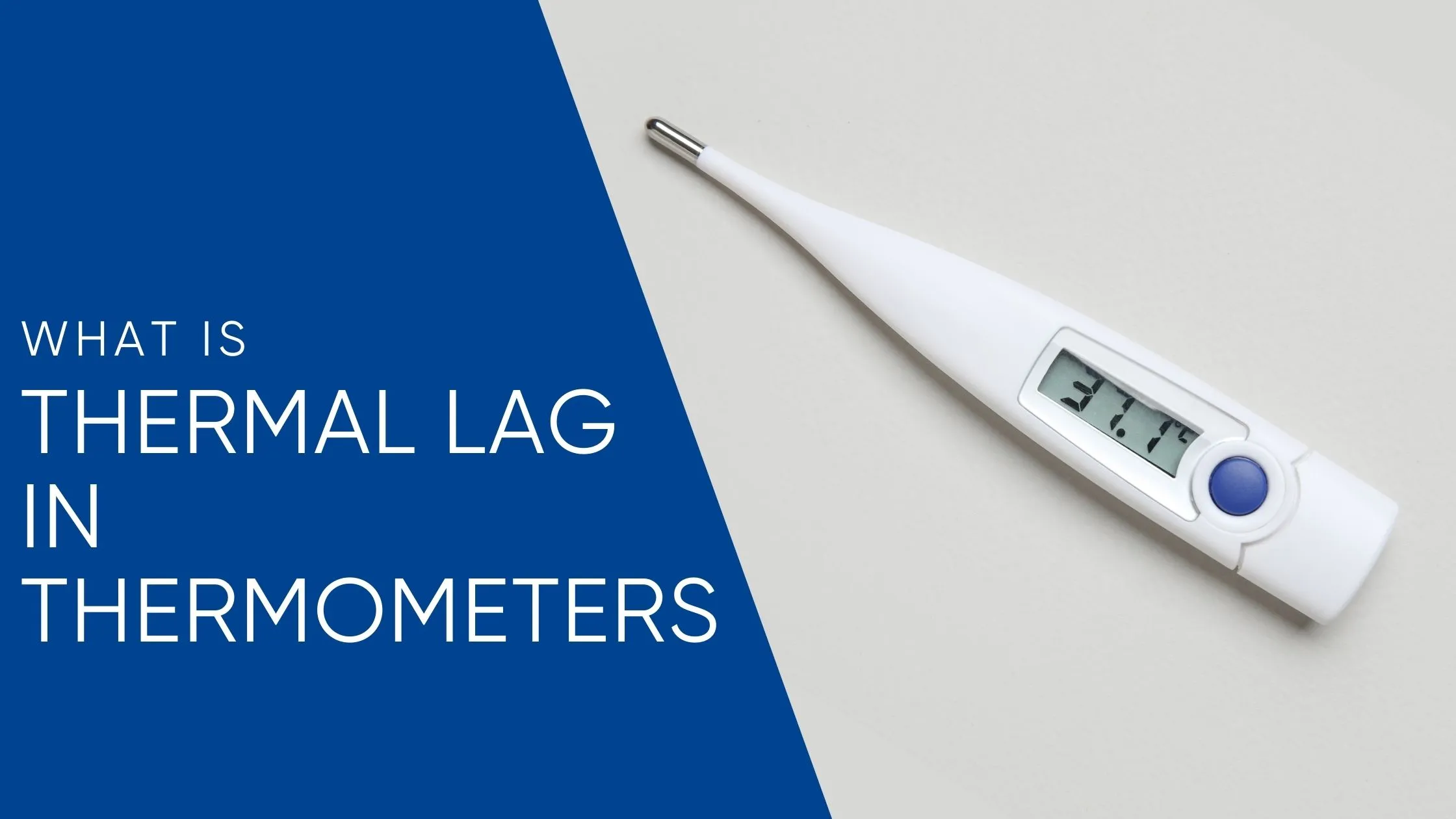
What is thermal lag? Thermal lag is the time delay between a real temperature change in your process and when your thermometer actually detects and reports that change.
It’s not a sensor defect. It’s physics.
Heat must travel through layers before reaching the sensing element. And every layer slows it down.
How Thermal Lag Happens Inside a Thermometer
Think of a thermometer like a heat relay race:
- The Process Medium – Hot oil, steam, gas, or metal carries the heat
- The Probe Sheath – Stainless steel or ceramic absorbs the heat
- Internal Filler – Materials like magnesium oxide transfer heat inward
- The Sensor Element – RTD or thermocouple finally detects the temperature
If any layer slows heat transfer, thermal lag increases.
What Is Thermal Mass and Why It Matters
What is thermal mass? Thermal mass is the ability of a material to absorb and store heat. High thermal mass means the material heats up slowly and cools down slowly.
In thermometers, high thermal mass means slow response time.
A thick thermowell or heavy probe tip acts like a heat sponge, increasing thermal lag significantly.
Key Factors That Increase Thermal Lag
1. High Thermal Mass
Thick probes, heavy thermowells, and dense materials store more heat before changing temperature. This dramatically slows thermometer response.
2. Poor Thermal Conductivity
Materials like ceramics or plastics resist heat flow. They protect sensors but increase thermal lag.
3. Sensor Design & Placement
If the sensing element sits far from the probe tip or air gaps exist, heat transfer slows down.
Air is a terrible conductor, so even tiny gaps can cause major lag.
Why Thermal Lag Is Dangerous in Industrial Processes
In stable systems, thermal lag is manageable. But in fast-changing processes, it’s a serious problem:
- Rapid pasteurization
- Metal heat treatment
- EV battery thermal management
- Chemical reactors
- Semiconductor manufacturing
Temperatures can change by 20°C in seconds. If your thermometer has a 10-second thermal lag, your system will overshoot or undershoot critical thresholds. Leading to:
- Product defects
- Energy waste
- Equipment damage
- Safety hazards
How to Reduce Thermal Lag (Best Practices)
1. Improve Thermal Contact
Use thermal paste or fillers inside thermowells to remove air gaps. Better contact means faster heat transfer.
2. Optimize Probe Placement
Ensure the thermometer is fully immersed in the process flow. Partial immersion leads to mixed ambient and process readings.
3. Choose Low Thermal Mass Designs
Tapered tips, reduced-diameter probes, and thin sheaths reduce thermal mass and speed up response.
4. Use Exposed Junction Thermocouples (When Safe)
For gases and clean environments, exposed junction thermocouples offer the fastest response with minimal thermal lag.
5. Allow Stabilization Time
For batch measurements, wait 30–60 seconds for the reading to stabilize before logging data.
Thermal Lag vs Accuracy: Why Both Matter
A thermometer can be accurate but slow. A fast thermometer can be inaccurate.
The real goal is low thermal lag and high accuracy.
Industrial control systems depend on real-time temperature data. Delayed data equals delayed decisions.
Conclusion
Thermal lag isn’t a sensor defect. It’s a physics challenge that engineers must design around.
Choosing the right thermometer design, minimizing thermal mass, and ensuring proper installation can dramatically improve real-time temperature control.
At JR Sensors, industrial probes are engineered to balance durability, speed, and precision. So your temperature data is not just accurate, but timely and actionable.