How Climate Change Is Increasing the Need for Thermal Monitoring Systems
How Climate Change Is Increasing the Need for Thermal Monitoring Systems
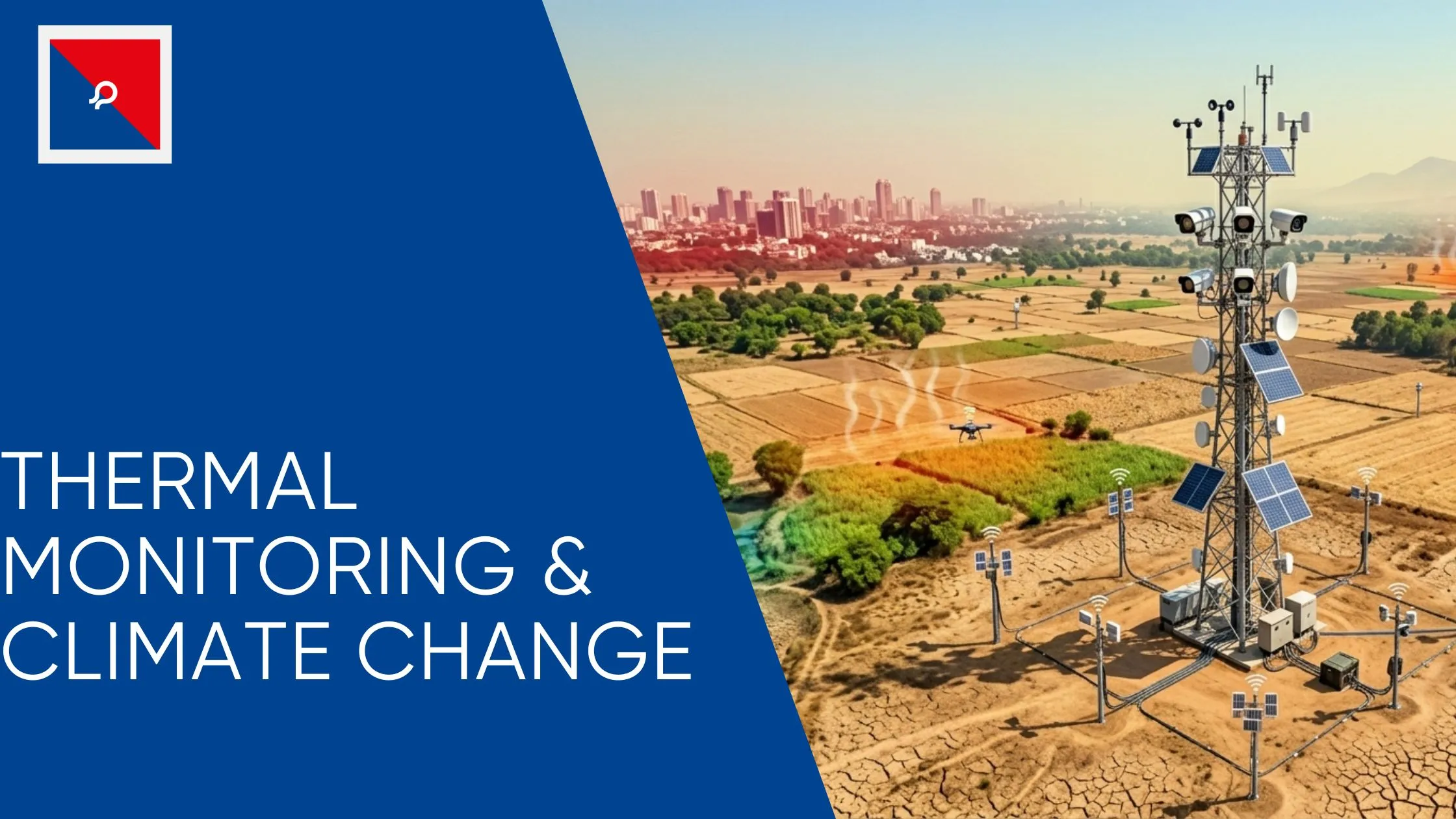
I was reading a report the other day about "heat islands" in cities like Bangalore and Mumbai, and it really hit home. It’s not just about us feeling sweaty or cranky anymore. Our buildings, our machines, and even our wearable tech are struggling to keep up with the erratic spikes in temperature.
Climate change isn't just a headline, it’s a massive stress test for everything we build. At JR Sensor, we’ve noticed a huge surge in people asking for more robust systems because, let’s face it, the old way of just "checking the thermostat" doesn't work when the outside temp swings 15 degrees in a single afternoon. We need smarter, more resilient temperature monitoring device setups to stay ahead of the curve.
The Overheating Crisis in Our Buildings
We spend about 90% of our lives indoors, but most of our buildings weren't designed for 2026 weather. Whether it's a modular office or a traditional home, "overheat hours" are becoming a real metric that architects are losing sleep over.
When the outdoor temperature spikes, a building's "thermal energy demand" goes through the roof. If you don't have a reliable temperature monitoring device in place, your HVAC system is basically flying blind. It’s either working too hard (wasting money) or not hard enough (leaving you in a sauna). Adaptive comfort, the idea that our buildings should adjust based on real-time climate data, is the only way forward.
Why Environment Monitoring is a Life-Saver
It’s not just about comfort; it's about health. Extreme heat events are becoming more frequent, and for vulnerable populations, they can be deadly. This is where the intersection of environmental and physiological sensors comes in.
Imagine a system that doesn't just tell you it’s hot, but correlates the room temp with your heart rate or activity levels. That’s the future. By using a sophisticated temperature monitoring device, health systems can actually predict "heat stress" before it becomes a medical emergency.
The Challenge: Sensor Reliability in Harsh Environments
Heat doesn't just affect humans; it affects the sensors themselves! I’ve seen so many cheap sensors fail the moment they hit a real Indian summer or a high-humidity coastal zone.
Sensor reliability in harsh environments is the #1 priority for us at JR Sensor. If your sensor melts or starts "drifting" (giving wrong readings) because it’s too hot, the whole monitoring system is useless. You need industrial-grade builds that can handle:
- High UV exposure.
- Dust and particulate matter (common during heat waves).
- Rapid thermal expansion.
| Factor | Impact on Standard Sensors | Impact on JR "Harsh-Ready" Sensors |
| Calibration | Drifts significantly above 40°C. | Stable up to 85°C with auto-compensation. |
| Housing | Plastic becomes brittle/warps. | High-grade thermal polymers or metal. |
| Accuracy | Drops by ±2.0°C in humidity. | Maintains ±0.3°C across ranges. |
Without prioritizing sensor reliability in harsh environments, you're just installing a future headache.
Mitigation and Response: Beyond the Alert
A lot of people think a temperature monitoring device is just for sending an "It’s Hot!" alert to your phone. But in the era of climate change, we need these systems to act.
- Smart HVAC Integration: Sensors tell the building to start "pre-cooling" before the peak afternoon sun hits.
- Grid Management: Industrial sensors can throttle power usage when they detect overheating in transformers.
- Wearable Sync: Correlating ambient heat with wearable data to tell workers in factories when they must take a break.
The goal is to move from "monitoring" to "responding." And you can't respond accurately if you don't trust your data. This brings us back to the core issue: sensor reliability in harsh environments.
What Should You Look For?
If you are looking to install a thermal monitoring system this year, don't just buy the cheapest thing on the shelf. Look for these "intent-worthy" features:
- Multi-Modal Sensing: It should track humidity and airflow, not just raw temp.
- Edge Diagnostics: The temperature monitoring device should be smart enough to tell you if it is failing.
- Connectivity: In harsh weather, Wi-Fi can be spotty. Look for LoRaWAN or hardwired options for mission-critical areas.
- Ruggedization: Seriously, check the IP rating. Ensure it’s built for sensor reliability in harsh environments.
Personal Take: Why I’m Worried (And Why I’m Not)
I’ll be honest, the data on rising "Indoor Overheat Degrees" is pretty scary. We are seeing levels of heat stress in residential buildings that we haven't seen in decades. But, I’m also seeing incredible innovation.
We’re working on sensors now that use AI to predict a heat spike three hours before it happens. By using a high-quality temperature monitoring device, we aren't just victims of the weather; we are managing it. But again, that only works if the hardware is tough. We spend a lot of time testing for sensor reliability in harsh environments because, at the end of the day, a sensor that fails when it's hot is like an umbrella that leaks when it rains.
Preparing for the New Normal
Climate change isn't a "future" problem, it’s hitting our sensors and our comfort levels right now. Whether you are managing a data center, a modular office, or just trying to keep your home safe, investing in a robust temperature monitoring device is the smartest move you can make this year.
Don't wait for the next heatwave to realize your sensors aren't up to the task. Demand sensor reliability in harsh environments and build a system that actually protects you.