What Causes an EV Charging Port to Overheat? The Role of Temperature Sensors
What Causes an EV Charging Port to Overheat? The Role of Temperature Sensors
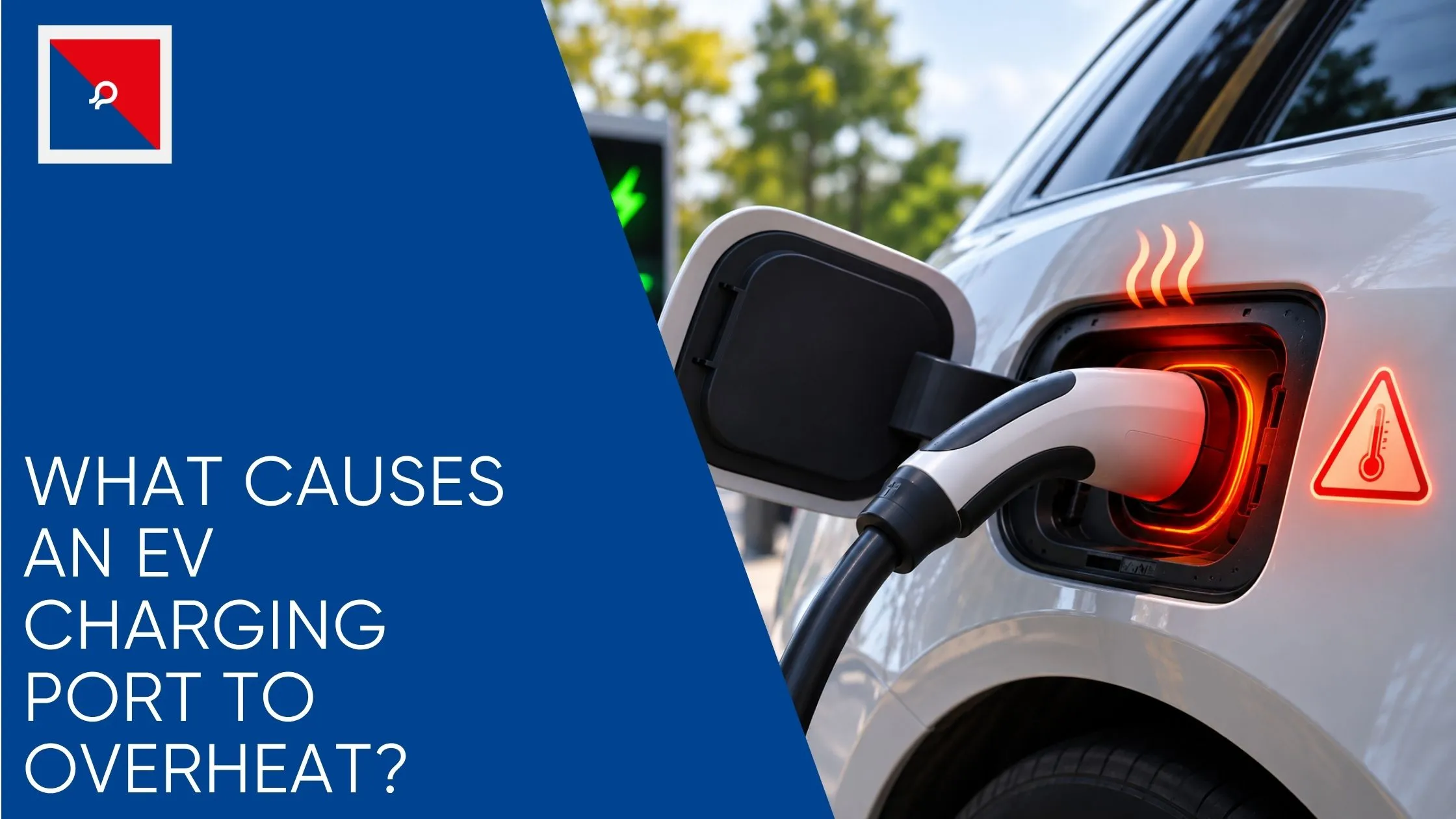
EV charging port overheating can occur due to high charging currents, increased contact resistance, loose connections, worn terminals, or damaged charging components. Excessive heat around charging contacts can affect connector performance, damage surrounding components, and potentially interrupt charging. Temperature sensors installed near critical electrical connection points help monitor thermal conditions and detect abnormal temperature increases.
Depending on the charging system’s design, temperature data can support protective actions such as reducing charging current or stopping charging when predefined limits are exceeded. In this guide, we’ll explain the common causes of EV charging connector overheating, how temperature monitoring works, and how manufacturers can select suitable temperature sensors for charging applications.
What Causes EV Charging Connectors to Overheat?
Some heat is normal when electrical current flows through a charging connector. However, excessive or localised heating may indicate an issue that needs attention.
Common EV charging connector overheating reasons include:
- High charging current: Fast charging transfers high amounts of power, which can increase heat generation at electrical contacts.
- Loose connections: Poor contact can increase electrical resistance and cause localised heating.
- Worn or damaged contacts: Repeated charging cycles can affect contact condition over time.
- Dirt or moisture: Contamination can interfere with proper electrical contact.
- High ambient temperatures: Hot surroundings can make it harder for charging components to release heat.
- Damaged cables or connectors: Physical damage may affect electrical performance and increase the risk of overheating.
Identifying the cause early helps prevent further damage to the charging inlet and connected components.
What Causes EV Swap Connector Overheating?
EV swap connector overheating reasons can include poor contact between electrical terminals, repeated connection cycles, contamination, and increased electrical resistance.
Battery swapping systems use connectors to establish electrical connections between the battery and vehicle. These connectors must maintain reliable contact despite frequent use.
Temperature sensors can help monitor selected connection points and identify unusual temperature changes. Sensor placement and protection strategies should match the connector design and operating conditions.
How Does EV Charging Inlet Temperature Monitoring Help?
EV charging inlet temperature monitoring tracks temperature near critical electrical contacts while charging takes place.
A temperature sensor measures heat and sends a corresponding signal to the vehicle's control system. Depending on the system design, this information can support actions such as reducing charging current or stopping charging when a defined temperature limit is reached.
Key benefits include:
- Early detection: Identifies unusual temperature increases at monitored points.
- Component protection: Supports measures to reduce excessive thermal stress.
- Reliable charging: Helps the control system respond to changing thermal conditions.
- Better diagnostics: Temperature data can help engineers investigate recurring overheating issues.
Monitoring does not eliminate every charging risk, but it gives the control system useful information to respond appropriately.
How Does EV Thermal Protection Work?
EV thermal protection helps keep charging components within their intended operating limits.
When a temperature sensor detects rising heat, the vehicle or charger can compare the measurement against predefined limits. The system may reduce current, pause charging, or stop the process, depending on its protection strategy.
The response depends on the sensor specifications, charging equipment, and vehicle design. Temperature monitoring should therefore work alongside suitable electrical protection, connector design, and maintenance procedures.
What Are the Warning Signs of EV Charging Port Overheating?
Not every temperature increase indicates a fault. However, certain warning signs should never be ignored.
Watch for:
- Repeated charging interruptions or temperature warnings.
- A connector that becomes unusually hot.
- Discolouration, melted plastic, or visible contact damage.
- Burning smells or smoke.
If you notice smoke, melting, or signs of electrical damage, stop using the charging equipment and follow the manufacturer's safety instructions. Do not touch damaged electrical components or attempt repairs while the system is energised. Have the equipment inspected by a qualified professional.
How to Choose a Temperature Sensor for EV Charging Connectors?
Selecting a temperature sensor involves more than checking its operating range. Manufacturers should consider response time, measurement accuracy, compact design, electrical insulation, and compatibility with the vehicle's monitoring system.
The sensor must also suit the charging connector's mechanical layout and expected operating conditions.
Need a Temperature Sensing Solution for EV Charging Connectors?
Monitoring temperature at EV charging contacts is essential for identifying abnormal heat and supporting reliable charging performance. Choosing the right sensor requires careful consideration of temperature range, response time, installation space, electrical insulation, and integration requirements.
JR Sensors develops temperature-sensing solutions for automotive and industrial applications, including EV-related temperature monitoring requirements.
Contact JR Sensors to discuss your charging inlet or connector temperature sensing requirements and explore a suitable solution for your application.