Ever wondered what keeps your EV running cool even when you're stuck in traffic under the blazing sun? Or how your UPS kicks in right when the power drops—without frying your battery? That little magic lies in something small but mighty: the battery sensor.
Yep, behind every smart energy move is a smarter sensor. In a world that's racing toward electrification—be it in cars, homes, or industries—managing battery life, temperature, and safety isn’t a luxury anymore, it’s survival. And it’s not just about preventing a battery from overheating or dying early. It’s about squeezing out every bit of efficiency without compromising safety.
From electric vehicles to backup power systems to wearables, battery temperature sensors are the silent superheroes we often overlook. But trust us—they’re doing the heavy lifting so that everything else works like clockwork.
In this blog, we’re diving deep into how battery sensors actually work, why they’re critical, and how JR Sensors is helping brands, OEMs, and industries stay one step ahead with tailor-made sensor tech.
What Is a Battery Sensor, Really?
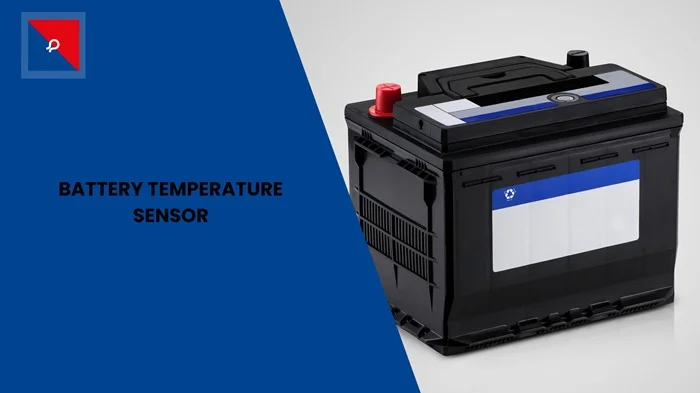
A battery sensor is basically the system's "nervous system" for monitoring battery health. It keeps track of things like voltage, current, temperature, and charging/discharging cycles—constantly.
Think of it as your battery’s personal assistant. It knows when the battery's feeling too hot, too cold, overworked, or just needs a break. And it sends those signals to the control unit to take action, like cooling it down, reducing the power load, or stopping the charge to prevent a meltdown. Seriously, without battery temperature sensors, modern energy systems would be flying blind.
These sensors are usually mounted near or on the battery pack. In electric vehicles, they’re often embedded between cells or modules. In other systems—like solar storage setups or inverters—they’re placed in thermally critical zones.
Why Temperature Monitoring Is a Big Deal
Ever left your phone on the dashboard in peak summer? That sudden shutdown or weird lag? Yep—that’s the battery freaking out from the heat. Now imagine that happening inside an EV battery pack, or worse, a hospital backup system. Scary, right?
Battery temperature sensors step in right here. They monitor the internal and external temperature of the battery in real time. If things start heating up, the system can either reduce the load, trigger cooling mechanisms, or, in some cases—just shut it all down before something worse happens.
Because let’s be real—overheating isn’t just about lost performance. It’s about safety risks, reduced lifespan, and in extreme cases—thermal runaway (basically, when a battery goes boom ).
With industries leaning harder into electrification—from electric vehicles to solar energy storage, UPS systems, and even heavy machinery—keeping battery temperatures in check isn’t a ‘nice-to-have.’ It’s non-negotiable.
If your energy system doesn’t have a temperature sensor, you’re riding blindfolded at 100 km/h—hoping nothing goes wrong.
How Battery Sensors Actually Work: From Detection to Decision
Okay, so how do these tiny geniuses—battery sensors—actually do their thing?
When the battery heats up during charging, discharging, or even just from ambient conditions, the sensor detects even the slightest change in temperature.
The sensor sends real-time data to the Battery Management System (BMS)—basically the brain of the battery pack. This system then takes action. It might:
- Slow down the charging rate
- Trigger cooling fans or heat-dissipation systems
- Cut off power if it senses danger
It’s like having a little guardian angel inside your battery—watching, thinking, and acting.
The best part? All this happens in milliseconds.
And just so you know, at JR Sensors, we don’t do cookie-cutter. Our sensors are custom-built to suit the exact needs of OEMs—from industrial forklifts to smart home energy devices. That means better fit, faster response times, and peace of mind.
Real-World Applications
So where exactly are these little champs—battery sensors—pulling their weight?
Honestly? Almost everywhere depends on energy storage.
Electric Vehicles (EVs)
You press the pedal, and boom—torque. But behind the scenes? Your battery temperature sensor is constantly checking if the battery pack is too hot or too cold. If it messes up? You risk a thermal runaway. And trust us, EVs don’t play nice with heat. So temperature monitoring = non-negotiable.
Industrial Backup Systems
Think of big factories and data centers. Their UPS (Uninterrupted Power Supply) systems need long-lasting, stable batteries. Sensors make sure the batteries don’t fry during sudden power loads or charging spikes. One burnt battery can mess up an entire setup.
Solar Energy Systems
Inverters, lithium-ion batteries, and storage units in solar setups need tight control. Temperature sensors regulate the charge cycles depending on how sunny—or ridiculously hot—it gets. Especially crucial in Indian climates, where summers can toast batteries if not managed well.
Smart Devices & Wearables
Even your smartwatch and fitness tracker use miniature sensors to keep the battery cool and extend their lifespan. Overcharging? Not happening, thanks to these smart sensors working in stealth mode.
Commercial Fleets & Logistics
From e-rickshaws to long-haul electric trucks, fleets depend on battery packs with multiple embedded sensors. They don’t just measure heat—they also predict degradation, giving you a heads-up before failure strikes.
The JR Sensors Advantage: Why OEMs Trust Us with Their Battery Safety
Battery safety isn’t just important, it’s everything. And when lives, machines, and reputations are on the line, “close enough” just doesn’t cut it.
That’s exactly why OEMs come to us.
We don’t just sell off-the-shelf battery sensors and walk away. We co-create. We build from scratch based on the real conditions your system operates in. Whether you’re designing a compact BMS for two-wheelers or a high-voltage pack for utility-scale storage, we design sensors that talk your language—literally and electrically.
Here’s what makes JR Sensors the go-to partner:
100% Custom Design—No MOQ
Startups, small-scale pilots, or large OEMs—we’re here for all. No minimum order quantity. We believe every innovation deserves a sensor built specifically for it.
Built to Last
Our battery temperature sensors are made to handle the extremes—be it heatwaves in Tamil Nadu or frigid mornings in Leh. Think rugged thermoplastics, corrosion-resistant coatings, and precision cores that don't flinch under pressure.
Micro-Level Accuracy
When 1°C can make or break battery chemistry, our NTC thermistors don’t guess—they report. With lightning-fast response times and tight resistance tolerances, your BMS always gets the full picture.
Engineering Support That Doesn’t Ghost You
Got a weird BMS pinout? Custom connector? Confused between epoxy vs. glass bead? Our engineers actually pick up the phone and help you solve it, like a real team, not a ticketing system.
In short? We don’t just sell sensors—we build confidence.
Final Thoughts
So yeah, turns out that tiny battery sensor? It’s kinda a big deal.
While it may not look flashy, it’s the one working around the clock—checking temps, guarding against thermal runaway, and making sure your EV, UPS, or energy storage system doesn’t blow a fuse in real life. It’s the silent brain behind smarter, safer power.
And if you're building a battery system that needs to last, stay safe, and perform like a champ, don’t cheap out on the sensor. Trust one that’s made for your exact setup.