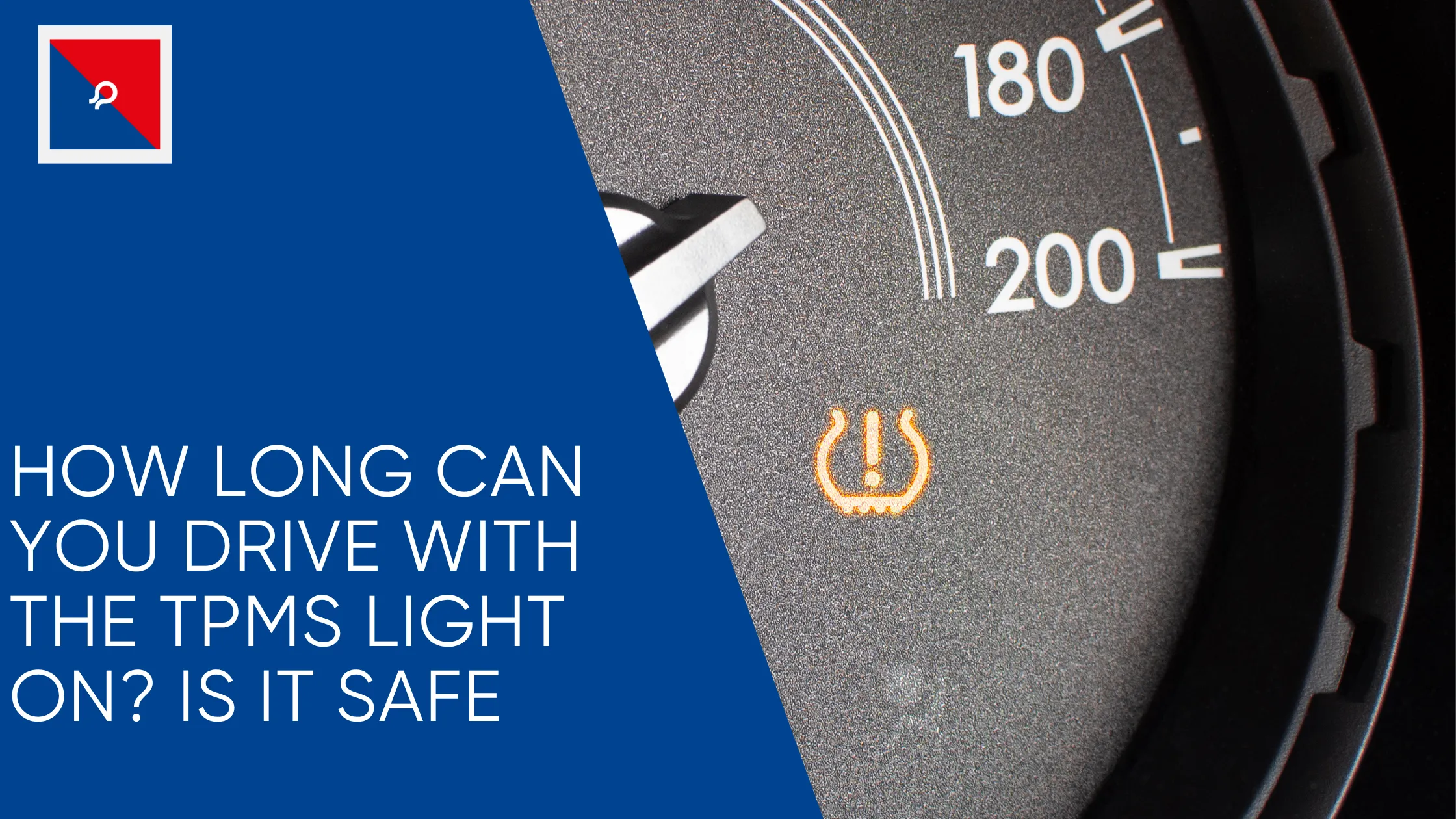
If your TPMS light suddenly comes on while driving, the first question that probably comes to mind is: how long can you drive with the TPMS light on?
The short answer is: you can usually drive for a short distance to safely check your tire pressure or reach the nearest service station, but you should not ignore the warning for days or continue driving at high speeds with potentially underinflated tires.
The TPMS (Tire Pressure Monitoring System) warning light can indicate low tire pressure, a slow puncture, temperature-related pressure changes or even a faulty TPMS sensor. In some cases, the light may simply require a tire pressure adjustment and system reset. In others, it could be warning you about a tire that is unsafe to continue driving on.
So, what does the TPMS light mean, can you still drive with it on, and when should you pull over immediately? This guide explains the common causes of a TPMS warning, how to check your tires, reset the system and understand when professional inspection is necessary.
How Long Can You Drive With the TPMS Light On?
There is no fixed distance you should drive with the TPMS light on. If the warning appears and the vehicle is driving normally, you should reduce speed and check the tire pressure as soon as possible.
You may be able to drive a short distance to the nearest petrol station, tire shop or safe location, but continuing to drive for days with the warning active is not recommended.
If the tire appears visibly flat, the vehicle pulls to one side, vibrates heavily or feels unstable, stop driving immediately and inspect the tire.
The safest approach is to check all four tires using the manufacturer's recommended PSI listed on the driver's door sticker or vehicle manual.
What Does TPMS Mean on My Dashboard?
TPMS stands for Tire Pressure Monitoring System. It's basically a tiny computer system inside your car that constantly checks how much air is in your tires.
Legally, these things are programmed to flag a warning the second your tire pressure drops 25% below what the manufacturer recommends. (Fun fact: some Honda models freak out at 20% just to be extra safe).
But here is the catch, your dashboard light doesn't just mean "add air." It can tell you a few different things depending on how it flashes:
- A Solid Light: At least one tire is seriously low on air. Stop at a petrol pump soon.
- An Intermittent Light: It turns on in the morning and goes off by afternoon. This is usually just the weather playing tricks on the air density.
- Flashing First, Then Solid: This means what is a tpms error looks like in real life. Your air pressure might be completely fine, but the sensor itself is broken or dying.
Why Is My TPMS Light On? 4 Common Causes
It usually comes down to these four culprits.
1. Actual Low Tire Pressure (The Classic)
A nail, a nasty pothole, or just normal air escaping over time. Even if a tire doesn't look flat to your eyes, it can lose almost half its air before it physically sags. If you drive just 3 PSI under what you’re supposed to, you are cutting your tire’s lifespan by 10%. That adds up to big money over time.
2. Cold Weather and Temperature Changes
Ever notice this light always pops up during seasonal transitions? Science time: cold air contracts. For every 10°F (about 5°C) drop in temperature, your tires lose 1 to 2 PSI. If your city has a sudden 20-degree drop overnight, your tires instantly lose around 2 PSI, triggering the light before you even back out of the driveway.
3. Faulty or Dead TPMS Sensor Battery
Your tpms pressure sensor runs on a tiny internal battery built right into the wheel valve. These batteries usually last about 5 to 10 years. When the battery gets weak, the sensor stops talking to your car’s main computer, causing a tpms error.
4. TPMS Problems After Tire Rotation or Replacement
Did you just get a wheel alignment, tire rotation, or brand new rubber installed? If the mechanic didn't calibrate the system properly, or accidentally bumped the delicate sensor with a tire tool, the system will throw a fit.
Also Read: Why a Car Tyre Pressure Monitoring System is Essential
Can You Drive With the TPMS Light On?
The short answer? Yes, but only for a short distance to get it checked.
If the light just turned on, you don't need to slam on the brakes on the highway. Keep driving calmly to the nearest service station. However, making it a habit to drive week after week with that light on is a terrible idea.
When Should You Stop Driving Immediately?:
- The car is vibrating weirdly or pulling hard to one side.
- The tire looks visually pancaked on the asphalt.
- You are hauling a super heavy load or driving at high highway speeds.
How to Check and Fix a TPMS Warning Light?
Before you panic and spend thousands at a garage, you can do some basic troubleshooting at home.
Step 1: Check Your Tire Pressure Manually
Never trust the air gauges attached to public gas station pumps, they get dropped, run over, and are usually wildly inaccurate. Buy a cheap digital or pencil gauge for your glovebox. Check your tires when they are "cold" (meaning the car has been parked for at least 3 hours). Look at the sticker inside your driver's door frame to find your car's exact target PSI.
Step 2: Inflate (or Deflate) Accurately
Fill the tires up to that exact number. If you accidentally overfill them, just press the tiny pin inside the tire valve with the back of your gauge to let some air hiss out.
Step 3: Reset the TPMS Warning Light
Once the air is right, you need to know how to clear the service tire monitor system codes. On most modern cars, it's pretty simple:
| Vehicle Reset Type | What You Need to Do |
| Automatic Reset | Just drive the car at 50 mph (80 km/h) for 10-15 minutes. The sensors will recalibrate on their own. |
| Manual Button | Look under the steering wheel or in your glove box for a physical 'SET' or 'TPMS' button. Hold it down until the light blinks. |
| Infotainment Menu | Scroll through your dashboard screen settings, find "Tire Monitor" or "Calibrate Wheels", and click reset. |
| The Hard Reset | If it's totally stuck, disconnect your car battery's negative terminal for 10 minutes to force the computer to reboot. |
How Much Does It Cost to Replace a TPMS Sensor?
If you cleared the system and added air, but the light keeps flashing back on, you have a dead sensor. Here is what to expect if you need replacements:
- Single Sensor Replacement: Expect to pay anywhere from ₹1,500 to ₹5,000 depending on if you buy an aftermarket version or an official OEM sensor from your dealership.
- The Smart Move: If one sensor battery dies after 7 years, the other three are right behind it. It usually makes more financial sense to change all four at once during your next tire rotation to save on labor fees.
- Can you change it without removing the tire? Yes! A skilled technician can use a bead-breaker tool to press down just the outer edge of the tire rubber, reach inside, and swap out the tpms pressure sensor without taking the whole wheel apart.
Don't let a tiny dashboard light ruin your peace of mind. Grab a manual gauge, check those numbers, reset the computer, and drive safe!
How Automotive Temperature Sensors Support Vehicle Safety
At JR Sensors, we know that reliable digital telemetry is the backbone of modern road safety. We specialize in engineering high-precision, automotive-grade sensing components and custom NTC thermistors designed to operate flawlessly inside extreme, high-vibration wheel environments. By providing vehicle electronics with hyper-accurate data streams that resist moisture, road salt, and intense temperature drops, our tech ensures your dashboard safety displays stay accurate all year long, preventing costly tire wear and unexpected breakdowns before they ever disrupt your journey.