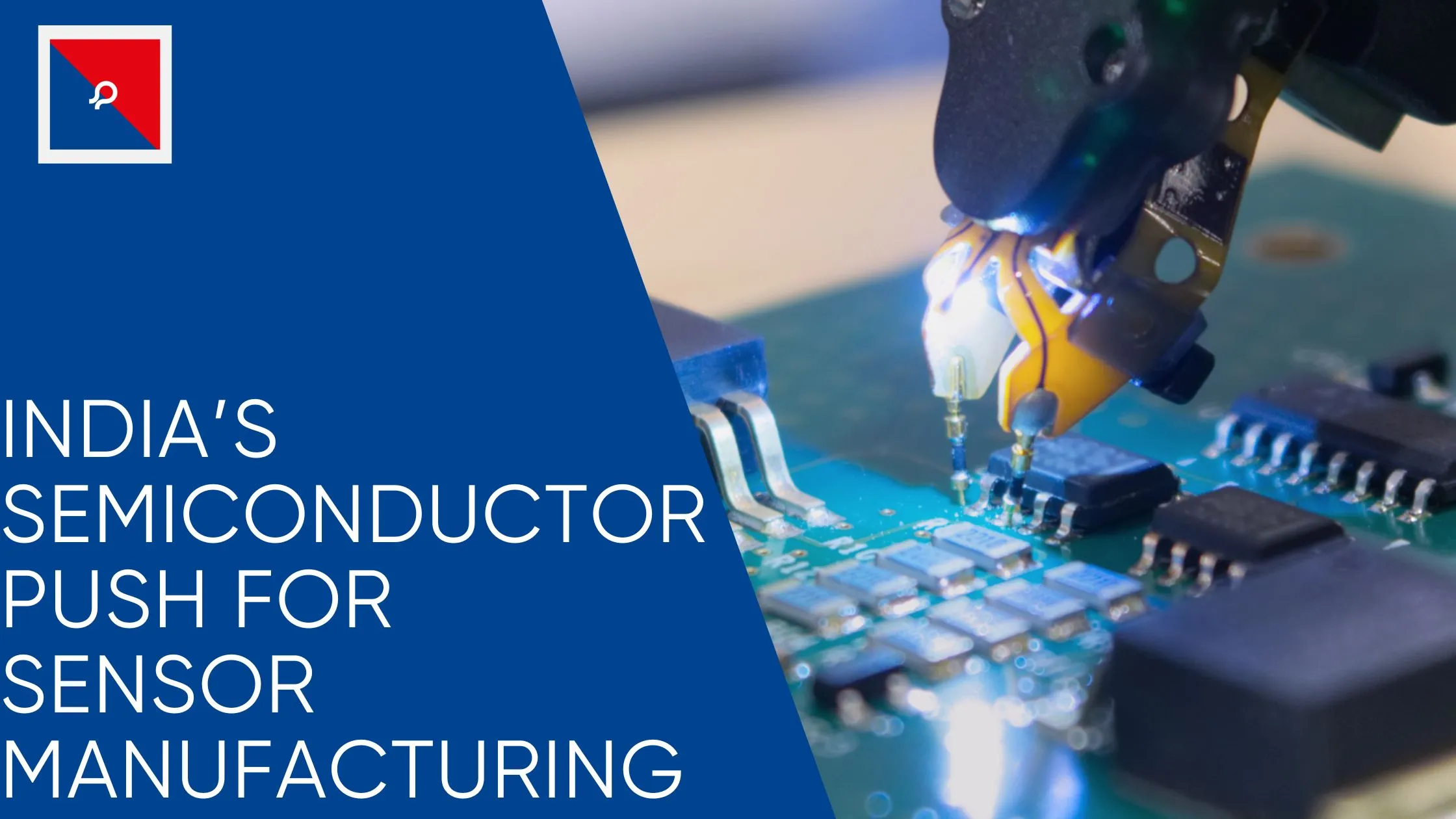
You’ve probably noticed that "Made in India" is appearing on a lot more than just clothes and food these days. Last week, while I was looking at some of our new sensor modules, I started thinking about the massive shift happening right under our noses. For years, we've been designing great tech here, but the "brains"-the chips, always came from elsewhere.
But things are changing fast. If you've been following the news about chip manufacturing in india, you know we aren't just talking about it anymore; we are building it. From PM Modi’s speech at SEMICON India 2024 to the massive cranes moving earth in Gujarat and Assam, the semiconductor industry in india is finally having its "1991 moment."
For those of us in the sensor business, this isn't just industry news, it’s a game changer for how we build, buy, and deploy technology.
Why All the Noise About a "Semiconductor Mission"?
The global supply chain has been a mess. Between the pandemic, tsunamis, and geopolitical "he said, she said," getting a simple microchip has felt like winning the lottery lately. India realized that to be a global player, we can't just be the "back office" for design; we need to own the factory too.
The new semiconductor policy india has laid out a massive ₹76,000 crore incentive plan. They aren't just looking for one factory; they are building an entire ecosystem. This policy is the reason why giants like Tata and Micron are setting up shop here. It's about making sure that the future of semiconductor industry in india isn't just about software, but about actual silicon wafers.
The Big Players: Who is Building What?
It’s hard to keep track of all the announcements, so I put together a quick table of the "Fab Five" (plus a few more) projects that are actually happening right now. This is the backbone of chip manufacturing india.
Major Semiconductor Units Under Construction
| Company / Partnership | Location | Investment | Capacity / Focus |
| Tata & PSMC (Taiwan) | Dholera, Gujarat | ₹91,000 Cr | 50,000 wafer starts per month |
| Tata Semiconductor | Morigaon, Assam | ₹27,000 Cr | 48 million chips per day (ATMP) |
| Micron Technology | Sanand, Gujarat | ₹22,516 Cr | High-end Packaging & Testing |
| Tower Semi & Adani | Maharashtra | ₹83,947 Cr | 40,000–80,000 wafer starts |
| Kaynes Semicon | Sanand, Gujarat | ₹3,300 Cr | 6.3 million chips per day |
When you look at these numbers, you realize the scale of semiconductor chip manufacturing in india. We are talking about millions of chips per day.
How This Changes the Sensor Game?
You might wonder, "I just want a temperature sensor, why do I care about a multi-billion dollar fab?"
Well, sensors are basically chips that can "feel." Every sensor we sell at JR Sensor relies on an Integrated Circuit (IC). When chip manufacturing in india scales up, we get:
- Lower Costs: No more crazy import duties or international shipping delays.
- Custom Design: With semiconductor industry in india hubs nearby, we can design sensors specifically for Indian conditions, like high humidity and extreme heat, and get them manufactured locally.
- Resilience: Remember the chip shortage? If the chips are made in Gujarat or Assam, a strike at a port in another country won't stop your project.
The Challenges to Face
Look, I’m an optimist, but we have to be realistic. Setting up a fab isn't like setting up a garment factory. It requires "ultra-pure" water, a power grid that doesn't flicker (not even for a microsecond!), and highly skilled labor.
We have 85,000 experts, but we need more. The semiconductor policy india is great, but the execution at the state level, handling land and water, will be the real test. Luckily, states like Gujarat, Tamil Nadu, and Karnataka are competing like crazy to be the next "Silicon Valley," which is a good sign for the future of semiconductor industry in india.
What This Means for You (The Tech Buyer)
If you are a student, an engineer, or a business owner, this shift toward chip manufacturing india means the barrier to entry for "Deep Tech" is falling.
Soon, "Design in India, Design for the World" won't just be a slogan. It means the semiconductor chip manufacturing in india will support local startups, making it cheaper to build everything from smart irrigation systems to EV chargers. We are moving from being consumers of tech to being the creators of the hardware itself.
The Road to 2030
India wants to hit $500 billion in electronics production by 2030. It's an ambitious goal, but with the semiconductor industry in india finally getting the factories it needs, it feels achievable.
At JR Sensor, we are excited to see how these local chips will power the next generation of our devices. It’s a great time to be in tech in India!