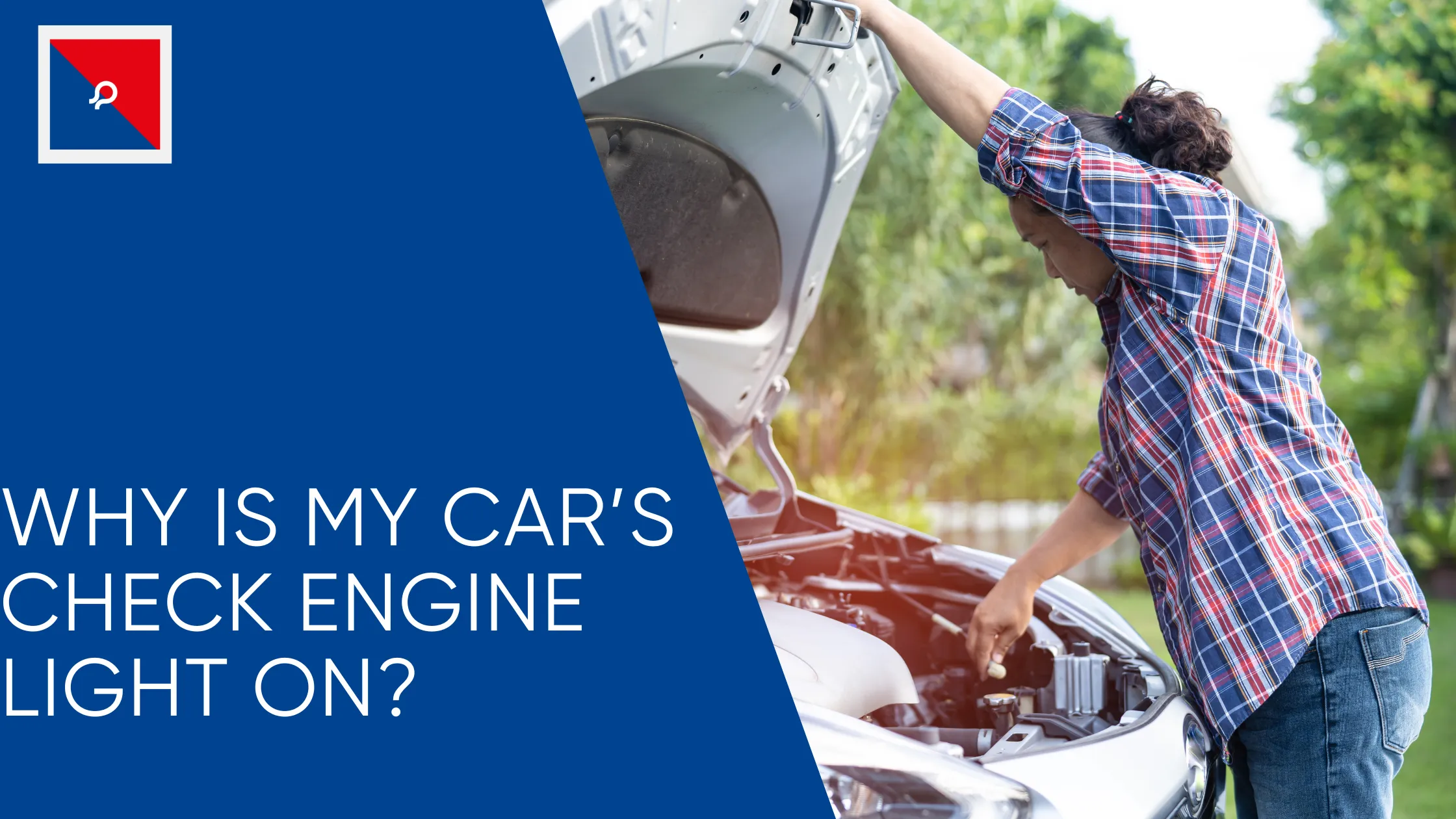
We have all been there. You are driving along, maybe heading to work or a weekend getaway, and suddenly, that little yellow check engine symbol in car dashboards pops up out of nowhere. Your stomach drops instantly. Is the engine about to blow up, or did you just forget to tighten the gas cap after your last refueling?
It is one of the most stressful experiences a driver can face, mostly because that little glowing icon doesn't give you a clear answer right away. It just sits there, staring at you.
But don't panic just yet! As a driver, understanding the actual check engine light meaning is your secret weapon to saving thousands on unnecessary mechanic bills. Let’s dive straight into exactly why this annoying engine light indicator turns on, what your car is trying to tell you, and how to fix it without losing your mind.
Check Engine Light: Solid vs Flashing Warning
Before you start stressing over the potential reasons for check engine light activation, you need to check how the light is behaving. It will always do one of two things:
The Solid Light: What Does a Solid Check Engine Light Mean?
If the engine indicator in car displays stays completely solid, it means the onboard computer has detected a problem that is not an immediate emergency. You don't need to pull over on the shoulder of the highway right this second. It means you should schedule an inspection over the next few days. It could be something as simple as a lazy sensor or a loose cap.
The Flashing Light: What Does a Flashing Check Engine Light Mean?
If the light is blinking rapidly while you are driving, this is a massive red flag. A flashing engine light usually means a severe engine misfire is happening right now. Unburnt fuel is dumping directly into your exhaust system, which will quickly melt your incredibly expensive catalytic converter. If you see a flashing light, pull over safely, turn off the ignition, and call for roadside assistance immediately.
Also Read: Car Speedometer Warning Lights & Symbols You Should Know
The Most Common Causes of a Check Engine Light & its Fix
Cars today are packed with hundreds of sensors tracking everything from air intake to exhaust gasses. However, a massive chunk of all dashboard alerts come down to the exact same handful of culprits. Here are the most frequent causes of engine light on:
1. A Loose or Faulty Gas Cap
Believe it or not, this is the absolute number one reason the light pops up. Your car’s fuel system is completely sealed to prevent fuel vapors from leaking into the atmosphere. If the cap is cracked, loose, or forgotten at the gas station, the system loses pressure, and the computer triggers the warning.
- The Fix: Pull over, unscrew the cap, and tighten it until it clicks multiple times. It might take a day or two of normal driving for the system to reset itself and clear the light.
2. Failing Oxygen (O2) Sensor
The oxygen sensor monitors how much unburned oxygen is leaving through the exhaust pipe. This data helps the car adjust its fuel-to-air mixture for optimum efficiency. If the sensor fails, your car will burn way too much fuel, ruin your mileage, and eventually clog up other components.
3. Faulty Spark Plugs or Ignition Coils
Your spark plugs and coils are responsible for creating the tiny electrical explosion that powers your pistons. Over time, plugs wear out, and coils fail. When they do, you will experience engine misfiring, a rough idle, and jerky acceleration.
4. Dying Catalytic Converter
The catalytic converter is the heavy-duty filter in your exhaust that turns toxic carbon monoxide into safer gasses. It usually fails because underlying issues, like bad spark plugs or a leaking head gasket, were ignored for too long. If your car suddenly smells like rotten sulfur or eggs and loses power, this is likely why.
Check Engine Light Symptoms and Possible Causes
| Light Behavior | Accompanying Symptom | Likely Culprit | Action Required |
| Solid Yellow | None (Car runs perfectly) | Loose Gas Cap / Evap Leak | Tighten cap, wait 24-48 hours. |
| Solid Yellow | Poor Fuel Economy | Failed Oxygen (O2) Sensor | Replace sensor soon to save fuel. |
| Solid Yellow | Sputtering / Power Loss | Bad Spark Plugs / Coils | Change plugs immediately to avoid misfires. |
| Flashing Yellow | Shaking / Severe Power Loss | Engine Misfire Ongoing | Stop driving immediately. Tow to a garage. |
| Solid Yellow | Rotten Egg Smell from Exhaust | Broken Catalytic Converter | Replace component; check for engine leaks. |
Also read: How Sensors Improve Safety in Automobiles
How to Read Check Engine Light Codes Using an OBD2 Scanner
Years ago, you had to pay a mechanic just to find out why the light was on. Today, you can easily figure out the exact issue yourself from your own driveway.
Modern cars feature an OBD2 (On-Board Diagnostics) port usually hidden right under the driver-side dashboard near your knees. If you buy a cheap, pocket-sized OBD2 scanner online, you can plug it directly into the port to read the error code.
Learning how to check engine light codes is incredibly simple:
1.Locate the OBD2 Port:Under the steering column.
Find the diagnostic port beneath your dashboard. It looks like a wide, rectangular plastic plug with 16 distinct pin slots.
2.Plug in the Scanner:With the vehicle off.
Push your OBD2 scanner firmly into the port connection while the car engine is completely switched off.
3.Turn Key to Auxiliary Mode:Do not crank the engine.
Turn your car key to the 'On' or 'Auxiliary' position so the dashboard electronics light up, but do not actually start the engine.
4.Read the Diagnostic Code:Interpret the alphanumeric string.
Hit the 'Read' button on your scanner. It will output a code like P0300 (random misfire) or P0420 (catalytic converter efficiency). You can quickly look up this code online to see exactly what part needs fixing!
What to Do When Your Check Engine Light Comes On?
If your engine light indicator is active, check the gas cap first. If that doesn't fix it, grab a scanner or visit a local auto parts store, many will read your codes for free.
Don't ignore a solid light for months. Even if the car feels like it is running completely fine, running an engine with a bad sensor ruins your fuel economy and causes hidden damage to your emissions system over time. Address the problem early, keep up with your routine oil changes, and you will keep your car running smoothly for years to come.