What Is a Busbar in an EV Battery System? Working, Types, and Applications
What Is a Busbar in an EV Battery System? Working, Types, and Applications
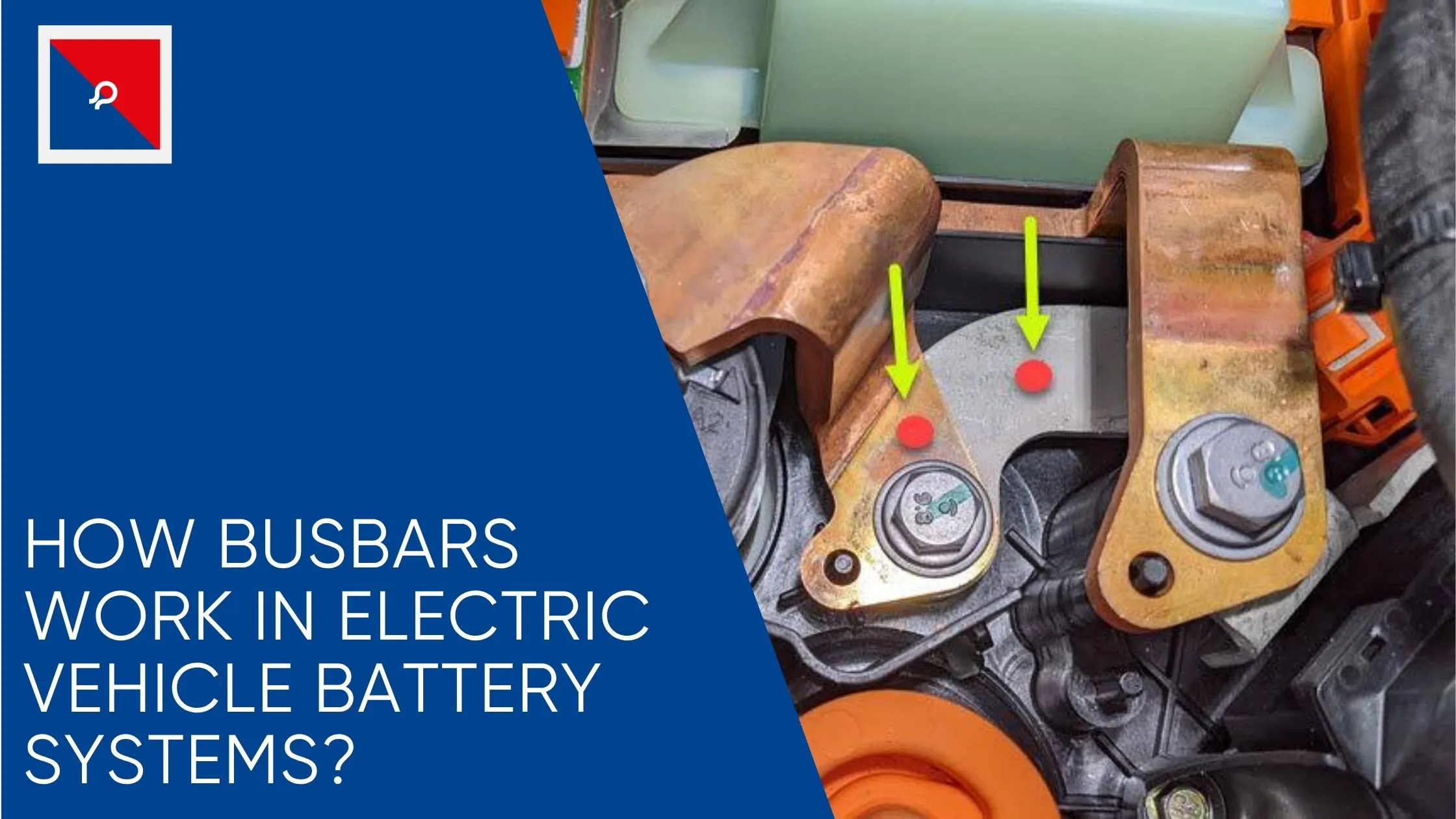
An EV battery busbar is a conductive component that connects battery cells, modules, and electrical components to distribute current throughout an electric vehicle’s battery system. Designed to handle high-current electrical connections, busbars help simplify battery pack layouts while supporting efficient power distribution.
They are commonly manufactured from copper or aluminium, with different designs available to meet electrical, mechanical, insulation, and space requirements. The material and configuration of a busbar can influence its conductivity, weight, heat generation, and suitability for a particular battery pack.
In this guide, we’ll explain what busbars are, how they work in EV battery systems, their types, the differences between copper and aluminium, and the factors to consider when selecting one.
Table of Contents
- What Is a Busbar in an EV Battery System?
- How Does an EV Battery Busbar Work?
- Where Are Busbars Used in EV Battery Packs?
- Copper vs Aluminium Busbars
- Types of EV Battery Busbars
- What to Consider When Choosing a Busbar
- FAQs
What Is a Busbar in an EV Battery System?
A busbar is a conductive metal strip or bar used to distribute electrical power between different components.
In an EV battery pack, it connects individual battery cells and battery modules. It also helps carry current between the battery pack and other electrical components.
Copper and aluminium are commonly used because they offer good electrical conductivity.
Unlike individual wires, busbars provide structured connections for high-current applications. Their shape and size can also be designed to fit compact battery pack layouts.
Busbars carry electrical current, and resistance within the conductor and at connection interfaces generates heat. The amount of heat depends on current, resistance, material, geometry, and operating conditions.
How Does a Busbar Work in an EV Battery Pack?
An EV battery pack contains several cells arranged into modules. These modules are then connected to form a complete battery pack.
The busbar connects these cells and modules, allowing electrical current to flow between them.
Depending on the battery configuration:
- Series connection: Connects cells to increase the overall battery voltage.
- Parallel connection: Connects cells to increase the available current capacity.
Where Are Busbars Used in Electric Vehicle Battery Systems?
The exact location depends on the battery pack design.
Common locations include:
- Between individual battery cells.
- At connections between battery modules.
- Within the battery pack's electrical distribution system.
- At connections to high-voltage components.
The purpose of a busbar is to provide reliable electrical connections and support organised power distribution throughout the battery system.
Copper vs Aluminium Busbars: Which Is Better for EVs?
Both materials are widely used. The right choice depends on electrical, mechanical and weight requirements.
| Feature | Copper Busbar | Aluminium Busbar |
| Conductivity | Higher | Lower |
| Weight | Heavier | Lighter |
| Material cost | Generally higher | Generally lower |
| Common use | Compact electrical connections | Weight-sensitive designs |
Copper offers higher conductivity, while aluminium helps reduce overall weight. Manufacturers choose based on the required current capacity, available space and cost.
What Are the Different Types of EV Battery Busbars?
EV battery busbars are available in different designs to suit battery pack requirements.
- Rigid busbars: Solid metal bars used for fixed electrical connections.
- Flexible busbars: Designed to accommodate movement and vibration within the battery pack.
- Laminated busbars: Made using multiple conductive layers separated by insulation.
- Insulated busbars: Covered with an insulating material to help prevent accidental electrical contact.
The right battery busbar design depends on the pack layout, connection points and available space.
How to Choose the Right Busbar for an EV Battery Pack?
EV manufacturers and component buyers should consider these factors before selecting a busbar:
- Current capacity: Ensure it can carry the required electrical current.
- Voltage rating: Check whether it suits the battery system.
- Material: Compare copper and aluminium based on conductivity and weight.
- Dimensions: Check the available space and connection layout.
- Insulation: Consider electrical insulation and protection requirements.
- Mechanical strength: Ensure it can withstand vibration and operating conditions.
- Assembly: Check whether its shape and connection method suit the battery pack.
When comparing EV busbar manufacturers, also evaluate material quality, manufacturing consistency and the ability to meet your design specifications.
Why Busbars Are Important in EV Battery Systems?
Busbars carry high electrical currents within EV battery packs, which can generate heat during operation. Excessive heat may occur due to high current loads, increased resistance at connection points, loose joints, or other electrical and thermal conditions.
Monitoring busbar temperature can help engineers identify abnormal temperature changes at selected locations, particularly around electrical connections where localised heating may occur.
Temperature sensors installed near busbars can provide data to battery monitoring or control systems, depending on the system design. This information may support thermal diagnostics, alerts, and protective actions when temperatures exceed defined limits.
Busbar temperature monitoring is particularly relevant in EV battery systems where electrical performance, thermal conditions, and reliability must be considered together.
Conclusion: Why Busbars Matter in EV Battery Systems
Busbars are essential components in electric vehicle battery systems, providing electrical connections between cells, modules, and other power distribution components. Their design influences current handling, electrical resistance, weight, space utilisation, and mechanical reliability.
Choosing the right EV battery busbar requires evaluating material, dimensions, current capacity, connection design, insulation, and operating conditions.
Copper and aluminium each offer advantages, and the right choice depends on the requirements of the battery pack.
As EV battery systems handle demanding electrical loads, monitoring thermal conditions at critical connections can also play an important role in identifying abnormal heating.
Along with reliable busbar design, appropriate temperature monitoring helps engineers better understand and manage battery pack operating conditions.
Need a Temperature Monitoring Solution for EV Battery Busbars?
Busbar temperature monitoring sensor helps engineers identify abnormal heating at electrical connections and monitor thermal conditions within EV battery systems. Selecting the right temperature sensor requires considering measurement accuracy, response time, mounting location, thermal coupling, and integration requirements.
JR Sensors develops temperature-sensing solutions for automotive and EV applications, including battery and busbar temperature monitoring requirements.
Contact JR Sensors to discuss your busbar temperature sensing requirements and explore a suitable solution for your application.