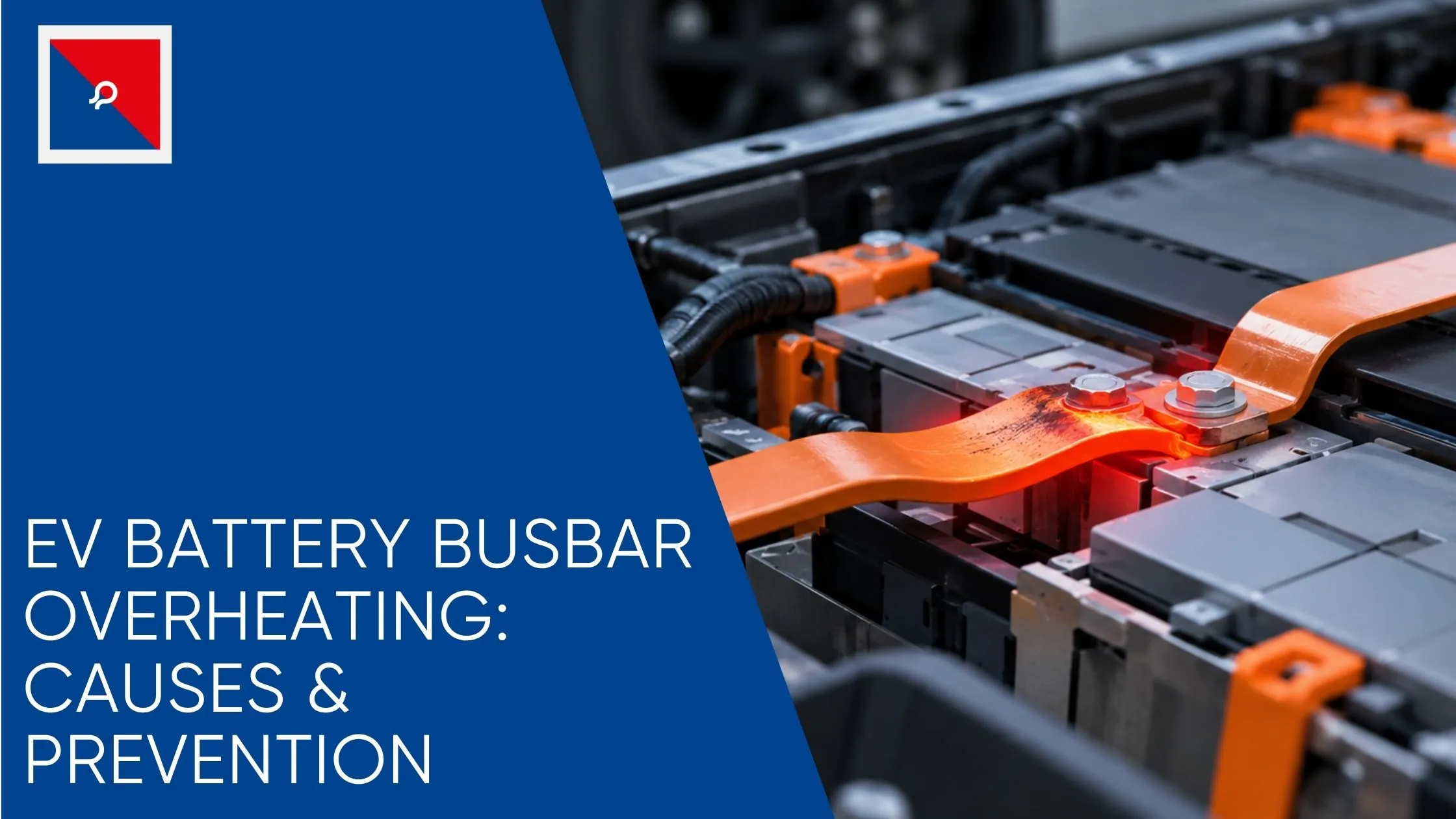
EV battery busbar overheating occurs when excessive electrical resistance, high current, poor connections, or inadequate heat dissipation causes a busbar or its connection points to reach elevated temperatures.
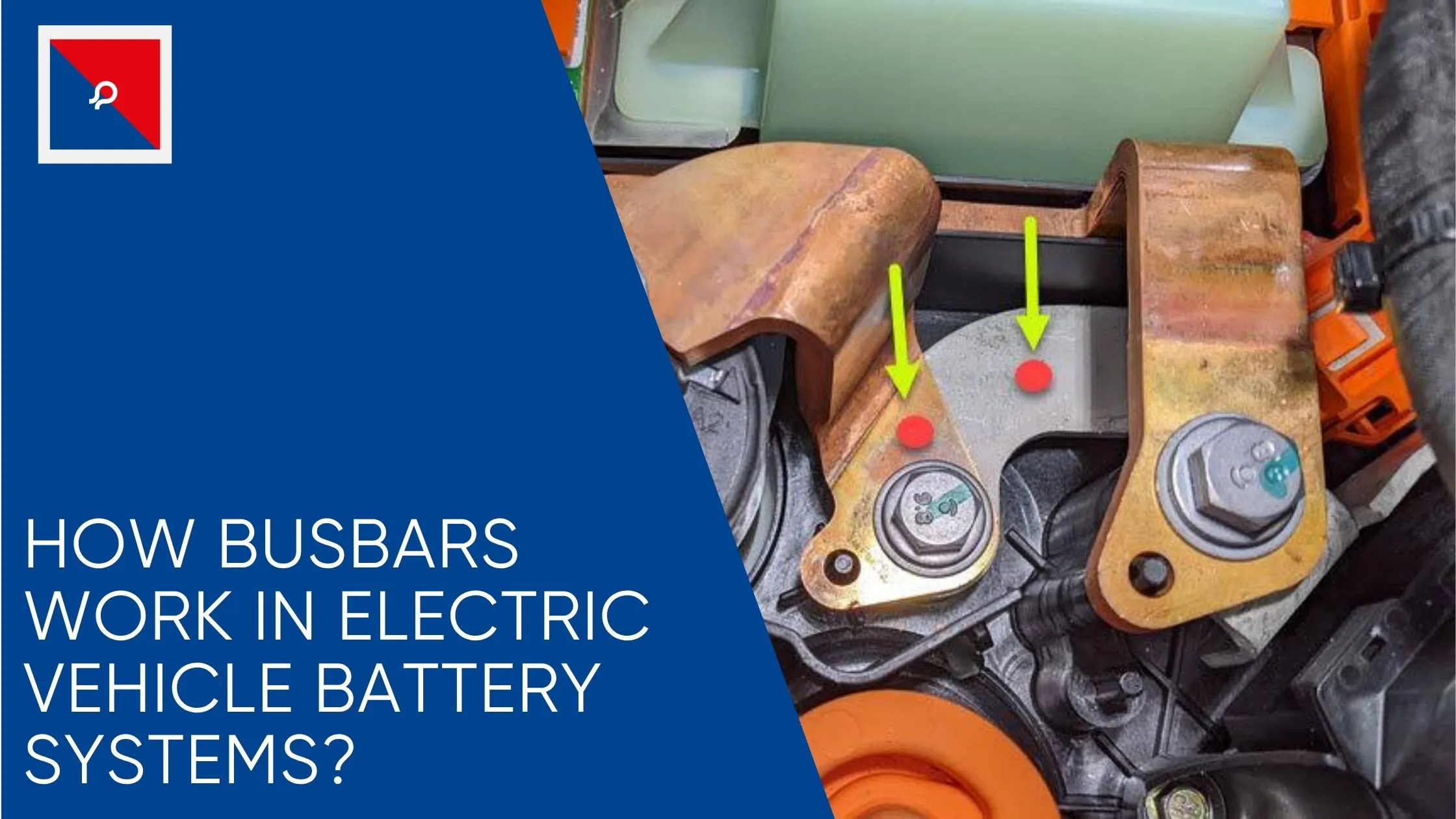
Busbars carry high electrical currents between battery cells, modules, and other electrical components. During fast charging and high-power operation, even a small increase in contact resistance can generate additional heat. If left unaddressed, this may damage insulation, weaken electrical connections, and affect battery pack reliability.
Understanding the common causes of busbar overheating helps EV manufacturers and battery system designers improve electrical design, assembly quality, thermal management, and temperature monitoring.
Why Is Busbar Temperature Important in EV Battery Packs?
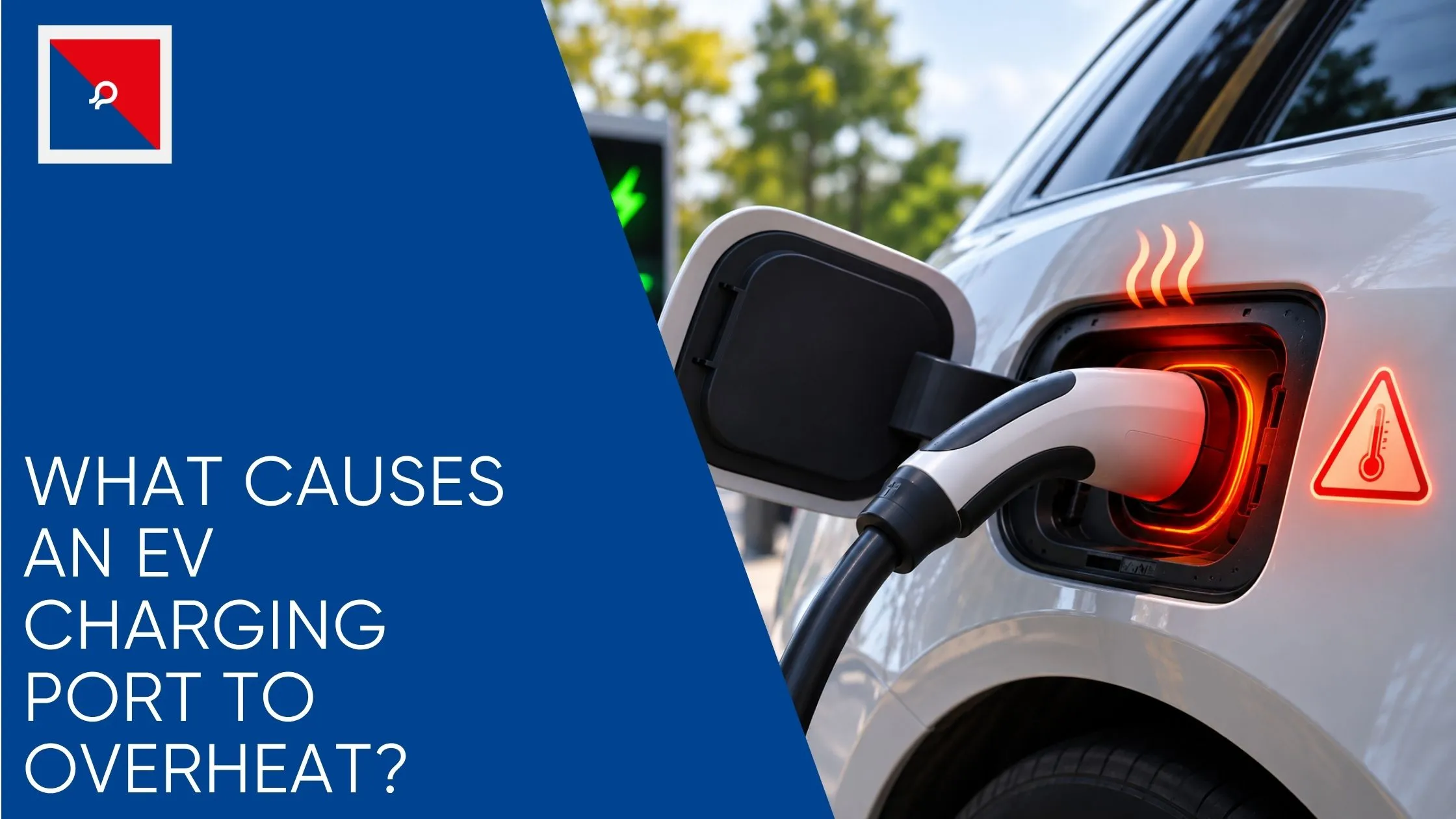
EV battery packs carry high currents, particularly during fast charging and acceleration. When current flows through electrical resistance, heat is generated.
Even a small increase in resistance can cause significant heating at high current levels. Excessive busbar temperature can weaken connections, damage insulation, and affect nearby components.
What Are the 7 Common Causes of EV Battery Busbar Overheating?
The common causes of busbar overheating in EV applications include:
1. High Current During Charging and Discharging
Fast charging and sudden acceleration increase current demand. Higher current produces more resistive heat, especially if the electrical connections are not designed for the required load.
2. Increased Contact Resistance
Poor contact between connected surfaces can increase resistance. Inadequate contact pressure, misalignment or a small contact area can create localised hot spots.
3. Incorrect Busbar Sizing
A busbar with insufficient cross-sectional area may have higher resistance. Its dimensions must match the pack’s current requirements and thermal limits.
4. Loose or Improper Connections
Incorrect fastening or assembly can reduce contact pressure. This may cause local heating at connection points.
5. Corrosion and Surface Contamination
Oxidation, dirt, and surface contamination can affect electrical contact. Material compatibility and suitable surface treatment also matter.
6. Inadequate Thermal Management
Restricted airflow and poor heat dissipation can cause heat to build up inside a compact battery pack. Effective EV battery thermal management helps control this.
7. Mechanical Stress and Vibration
Vehicle movement and repeated vibration can affect connection stability over time, potentially increasing contact resistance.
The actual cause depends on the battery architecture, electrical load, assembly quality and operating environment.
What Are the Effects of Busbar Overheating in EV Battery Packs?
Continued overheating can increase resistance further, creating more heat. It may also cause:
- Degradation of electrical connections.
- Insulation damage.
- Damage to nearby components.
- Higher maintenance needs and system downtime.
Severe electrical or thermal faults can create wider battery safety risks. However, busbar overheating does not automatically cause thermal runaway.
How Can Busbar Overheating Be Prevented?
EV manufacturers can reduce overheating risks by:
- Matching busbar dimensions to current requirements.
- Following correct fastening and assembly procedures.
- Maintaining clean contact surfaces.
- Considering corrosion and material compatibility.
- Providing effective battery pack cooling.
- Inspecting connections and checking resistance.
- Using temperature monitoring at critical points.
How to Prevent Busbar Overheating in EV Battery Packs?
Busbar temperature monitoring sensor helps engineers identify abnormal heat before it causes further connection damage.
The process involves:
- Detection: A temperature sensor is placed on or near a critical busbar connection.
- Measurement: An NTC thermistor for busbar monitoring changes resistance as temperature changes.
- Signal interpretation: A compatible circuit or controller converts this change into temperature data.
- Alerts: The monitoring system can flag abnormal readings and trigger configured protective responses.
- Corrective action: Engineers can investigate hot spots and address connection or cooling issues.
Sensor placement matters. The temperature range, response time, insulation and compatibility with the battery pack environment should also be considered.
Conclusion: Preventing EV Battery Busbar Overheating
EV battery busbar overheating can result from excessive current, increased contact resistance, incorrect sizing, loose connections, corrosion, or inadequate thermal management. Addressing these factors through proper electrical design, assembly, and maintenance helps improve battery pack reliability.
In addition to these preventive measures, busbar temperature monitoring provides visibility into temperature changes at critical electrical connections. Using suitable temperature sensors can help engineers identify abnormal heating and support timely corrective or protective actions.
Looking for a temperature sensing solution for EV battery busbar monitoring? JR Sensors provides temperature-sensing solutions for automotive and power electronics applications. Contact our team to discuss your application’s temperature range, mounting requirements, and sensor specifications.